Hybrid Varieties of Bees are taking center stage in the buzzing world of agriculture. You might wonder, what’s so special about these bee varieties? Well, it’s about combining the best traits of different bee species to create resilient, efficient pollinators that can thrive in a variety of environments.
The idea of hybrid bees isn’t exactly new. It stretches back decades as researchers explored ways to enhance the strengths of bee species. By selectively breeding bees, scientists aim to bolster traits like disease resistance and adaptability to climate changes.
There’s a neat balancing act here, though. Developing these hybrid bee varieties comes with its own set of ecological pros and cons. While they can significantly boost agricultural productivity and promote biodiversity, there’s always the challenge of maintaining ecological balance. It’s crucial to ensure that these hybrids don’t disrupt local ecosystems or outcompete native bee species.
For farmers and beekeepers, understanding Hybrid Varieties of Bees is key to making informed decisions for sustainability. These bees could be game-changers, helping to meet the growing demands of food production globally. But it’s essential to approach their use with careful stewardship and responsibility to preserve the natural balance.
The Science Behind Hybridization
So, what’s the science tricking behind creating these super-bees? It all comes down to genetics and some pretty cool biology stuff. Two major hybridization processes come into play: natural and artificial. Natural hybridization happens when different species crossbreed in the wild, while artificial involves humans stepping in to breed bees with specific traits.
It’s fascinating how genetic principles work here. By choosing parent bees with desirable traits, like those that produce more honey or are less aggressive, researchers can essentially fast-track evolution.
Think of the studies that have revealed how these genetic tweaks lead to healthier, more robust bee colonies. It’s like giving nature a little nudge without overstepping the natural boundaries. Researchers keep testing hybrids to make sure they’re healthy and fit for the environment.
But here’s the important part. While the science of hybridization aims to improve bees for human benefit, it’s crucial to balance innovation with nature. We need to tread lightly, ensuring these scientific advances support ecosystems and don’t create new problems. That means constantly monitoring the ecological impacts and adaptability of these hybrids in real-world settings.
Popular Hybrid Varieties of Bees and Their Characteristics
Let’s uncover some of the most talked-about hybrid bee varieties buzzing around. These bees are specially bred for their unique traits that can make a big difference in beekeeping and agriculture.
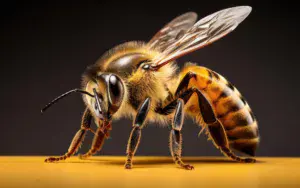 One standout hybrid is the Buckfast bee. Known for its docility and high honey production, the Buckfast has become a favorite among beekeepers. Thanks to its resistance to certain diseases, it’s often preferred in areas prone to bee illnesses.
.
.
The Caucasian bee is another interesting variety. It might not produce as much honey as some others, but its long tongue makes it great for pollinating certain flowers other bees can’t reach. Plus, it’s quite gentle, a nice bonus for beekeepers.
.
Each hybrid comes with its own set of pros and cons. For example, while some hybrids can tolerate colder climates better, others might excel in dry, hot conditions. It’s all about finding the right fit for your specific environment and needs.
.
Real-world examples show how these hybrids can revolutionize bee-related industries. Take the Carniolan bee; it’s well-loved for its rapid spring build-up, making it a powerhouse for early-season pollination.
.
For any beekeeper or farmer, choosing the right hybrid involves balancing these traits. It’s like assembling a toolkit, where each bee brings its special feature, ensuring your crops get the best possible pollination service.
Impact and Future of Hybrid Bees in Agriculture
Hybrid bees are more than just a new trend, they’re shaping the future of farming. Imagine a world where crop yields increase without the need for more land or resources. That’s what these bees bring to the table. By enhancing pollination efficiency, hybrid bees can significantly boost agricultural productivity.
Ethical and environmental considerations play a crucial role in this journey. While enhancing bee traits can be beneficial, it’s essential to ensure these hybrids harmonize with existing ecosystems. Disruption could mean trading one problem for another, so continuous assessment and adaptation are key.
Looking ahead, the innovation in hybridization doesn’t stop. Ongoing research aims to refine these bees further, making them even more suited to specific regional climates and challenges. This not only promises better crops but also supports broader biodiversity.
Hybrid bees hold the potential to become essential allies in adapting to climate change. With the right balance of science and nature, these bees could help secure food supply and contribute to ecological resilience. It’s a future filled with promise, where bees don’t just survive but thrive alongside the demands of modern agriculture.
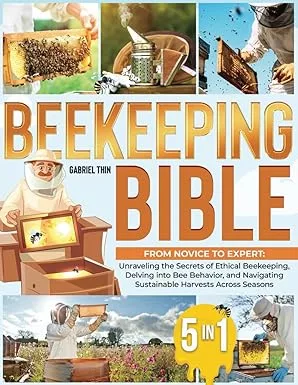
This comprehensive guide is your trusted companion, crafted precisely for individuals like you – eager to embark on an ethical and sustainable beekeeping journey but held back by fears and doubts.
FOUNDATION FIRST: Equip yourself with the bedrock knowledge to set up and manage your first hive.
BUDGET BEEKEEPING: Navigate cost-effective choices for tools and materials, and grasp the art of balancing quality with affordability.
BEE HEALTH MAVEN: Understand, prevent, and treat common bee ailments, ensuring your hive thrives through seasons.
SUSTAINABLE STEWARD: Embrace best practices that prioritize bee well-being and environmental responsibility.
COMMUNITY CONNECT: Plug into the vast world of beekeepers, associations, and online platforms, ensuring continuous support and learning.
EAR FACTOR: Learn to manage, and even overcome, your apprehension of bees, establishing a harmonious relationship with your hive.
This post may contain affiliate links.
Thanks for an interesting article on hybrid bees. I didn’t realise that this was such a thing. Do you know exactly when breeders starting cross breeding bees? I always get concerned when humans try to play with nature as they often mess things up. You just have to look at the number of introduced species that were introduced to prey on a pest that have now become the pest. Though I think it is important to protect bees and ensure we have them for many years to come as they are essential for growing crops. Thanks again.
Hi Lyn!
Thank you for your thoughtful comment! Crossbreeding bees began in the mid-20th century to enhance traits like disease resistance and productivity. While human intervention carries risks, hybrid bees often address critical challenges like declining populations. Careful breeding ensures their role in pollination and crop growth is safeguarded.
/Mats