
Bees are essential players in our ecosystem, buzzing around and making sure plants get pollinated. But did you know there’s a whole range of different breeds of honey bees out there, each with its own special traits? Yeah, it’s pretty wild! These differences are more than just for show. They actually play crucial roles in how these little guys fit into the environment.
Nature’s got a funny way of spreading bees across the globe, shaping them to fit in just right with their surroundings. Some bees get along with cold weather like pros, while others are team sunshine all the way. This variety in breeds isn’t just cool to know about; it helps ecosystems thrive by promoting healthier plants and, eventually, healthier environments for everyone.
Usually, when we think of bees, the honey bee steals the spotlight. But there’s a lot more going on in that hive of theirs! Honey bees are part of an intricate world that includes so many other species, each with its own way of contributing to biodiversity and balance in nature. Different breeds often mean different strengths, whether it’s in pollination efficiency or adaptability to changing climates. One interesting book among many others about bees is: The Bees in Your Backyard: A Guide to North America’s Bees by Joseph S. Wilson and Olivia Messinger Carril.
Now, why all this fuss about different bee breeds? Well, the environment is like a big jigsaw puzzle, and each type of bee is a piece of that puzzle. Having a diverse group of bees means better stability and adaptability in face of challenges like climate change or habitat loss. So next time you see a bee buzzing by, appreciate that it’s not just a bee – it could very well be a pivotal player in its ecological community.
The Honey Bee Trio: A Deeper Dive into the Most Popular Breeds
The world of different breeds of honey bees, has its stars, and yes, they have names, not just ‘bee’.
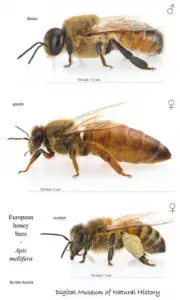 European Honey Bees, or Apis mellifera if you want to impress at a party, are the rockstars of the bee world. They’re everywhere, from your backyard garden to vast commercial farms, making honey and, importantly, keeping our food supply buzzing along. This breed is famous for its adaptability and strong productivity, which is why they’re seen so often buzzing around.
.
.
.
.
.
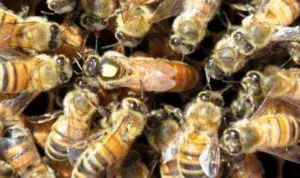
Meet the Italian Bee, which honestly sounds like a character from ‘The Godfather’. Known for their calm temperament and productivity, these bees are often the darlings of beginner beekeepers. Their golden hue is not just for show either – they thrive in warm climates and are champions at producing loads of honey, making them very popular around the Mediterranean and beyond.
.
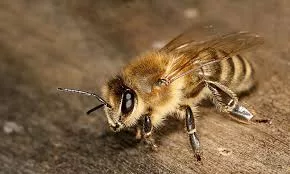
Then there’s the Carniolan Bee, a powerhouse when it comes to adaptation to chillier climates. Hailing from the Austrian Alps and the Balkans, these bees are like the cozy sweater of the bee world. They’re able to thrive in cooler temperatures and are known for their gentleness, making them a favorite for beekeepers who work in varied climactic regions.
.
Understanding these breeds and their unique traits can make beekeeping more tailored and effective. Picking the right breed depends on your local climate, what kind of flora you have around, and how hands-on you’re willing to be. Each breed comes with its own set of pros and cons, so a little homework beforehand goes a long way in enhancing your bee experience.
Beyond Honey: Uncovering the Unique Traits of Solitary Bees
You might think of bees as hive-loving, honey-making machines, right? Well, it’s time to shake things up a bit. Enter solitary bees, the unsung heroes of pollination. Unlike their communal counterparts, these bees prefer the solo life, operating independently without the hive mentality. They might not make honey, but their contribution to the ecosystem is just as significant.
Solitary bees come with an arsenal of unique skills. Let’s talk about the leafcutter bee. These little architects use pieces of leaves to create cozy nests. Watching them work is like seeing tiny construction experts at play, each perfectly cut leaf paving the path to their individual egg chamber. It’s fascinating, really. These bees don’t just have style—they bring efficiency and effectiveness to pollination. Their focused approach often results in higher pollination rates, which benefits gardens and crops alike.
Then you’ve got the mason bee, closely related to the leafcutter. Named for their building habits, they use mud and other natural materials to craft their nests in hollow stems or wood. Their early spring activity makes them among the first pollinators to grace blooms, playing a crucial role in kickstarting the growing season.
Recognizing these solitary powerhouses gives a fresh perspective on how valuable bees are beyond just the honey. They thrive with minimal human intervention, making them perfect for natural or urban gardens. Planting native flowers is one way to support them, encouraging biodiversity, and giving them the resources to keep doing their essential work. Embracing solitary bees in your environment can enrich the landscape, boosting plant health and crop yields, all while basking in the understated charm of these remarkable insects.
The Importance of Bee Conservation and Sustaining Biodiversity
Bees aren’t just about making honey and pollinating. They’re an integral part of a much bigger ecosystem. These tiny creatures play a massive role in sustaining biodiversity, each breed contributing differently based on its unique traits. Healthy bee populations mean robust ecosystems, and that’s true whether we’re talking about bustling hives of honeybees or solitary superheroes like the mason bee.
Unfortunately, bees face plenty of challenges these days. Pesticides, habitat loss, and climate change all contribute to declining populations everywhere for all different breeds of honey bees. Disturbingly, this means the natural balance gets thrown off, affecting not only plants but the animals and humans who depend on those plants. So protecting and conserving bee diversity should be high on the agenda for everyone, not just bee enthusiasts.
Supporting and nurturing bee populations requires efforts from all sides. Simple steps like planting bee-friendly flowers, reducing pesticide use, and providing bee habitats can go a long way in helping these vital insects survive and thrive. Encouraging community gardens and local initiatives can be both fun and educational, spreading awareness about bees’ roles in our ecosystem.
Engaging in conservation isn’t just about saving bees; it’s about promoting a flourishing environment that benefits us all. Introducing more measures to protect bees ensures that biodiversity remains intact and ecosystems stay resilient against future challenges. So, by helping the bees, we’re essentially giving back to our environment and securing a better future for the planet.
This was such an eye-opener about the diverse world of bees! I had no idea there were so many unique breeds and how crucial they are to ecosystems. I’m curious—what are some specific steps individuals or communities can take to support solitary bees, like leafcutter or mason bees, in urban environments? Also, how can we balance conservation efforts for both solitary bees and honey bees, given their differing needs?
Hi Chris!
Thank you, Chris, for your thoughtful comment! Supporting solitary bees in urban areas can be as simple as creating bee hotels, planting native wildflowers, and avoiding pesticides. Balancing conservation for solitary and honey bees involves fostering diverse habitats and ensuring resources like nectar and nesting sites meet the needs of both. Great questions—your curiosity is inspiring! 🌼🐝