
Colony Collapse Disorder, or CCD, is a phenomenon deeply impacting bee populations across the globe. Its effects ripple through ecosystems, agriculture, and the natural environment. In the following discussion, I will dig into what CCD is, how researchers are studying it, and the practical steps that can be taken to support bee conservation. An understanding of CCD is valuable for anyone interested in environmental health and the future of our food supply.
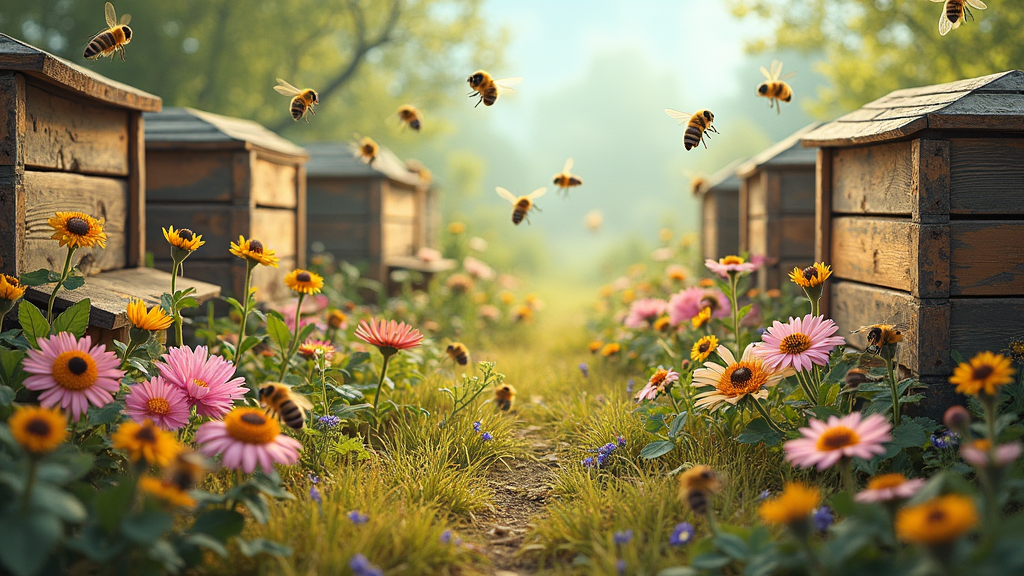
Understanding Colony Collapse Disorder
CCD refers to the sudden disappearance of worker bees from a beehive, leaving behind the queen, food supplies, and a few nurse bees. First noted in the early 2000s, researchers have observed significant changes in bee behavior and hive structure during these events. Bees play a vital role in pollination, which is essential for many crops and natural plants. The loss of these pollinators can disrupt entire ecosystems.
Scientists are investigating several possible reasons behind CCD. Some studies indicate that a combination of factors such as pesticide exposure, pathogens, and parasites could be at play. Other research suggests that environmental stressors like habitat loss and climate changes might weaken a colony over time, making it vulnerable to collapse. Although no single cause has been confirmed, the continuous decline in bee numbers has prompted further ask into CCD.
CCD has broader implications for agriculture and biodiversity. With bees responsible for pollinating many of the crops humans rely on, the disorder poses challenges for food production and economic stability. Understanding CCD helps us appreciate the delicate balance in our ecosystems and the importance of protecting natural pollinators.
Key Research and Current Understandings
Over the past few decades, various studies have helped shape our understanding of Colony Collapse Disorder. Early research focused on pesticide exposure, particularly chemicals used in agricultural practices, and later studies linked pathogens to the disorder. This scientific scrutiny has gradually brought to light the complexity behind CCD.
Researchers now believe that CCD might stem from a combination of stressors rather than a single source. For example, bees exposed to certain pesticides seem to become more susceptible to diseases and parasites. Additionally, the weakening of bee immune systems due to environmental pollutants creates fertile ground for infections. In many cases, a mix of chemical, biological, and environmental factors contributes collectively to colony losses.
Contemporary research has evolved to include genetic studies and advanced monitoring techniques. These methods allow scientists to observe bee responses to stress in real time and to detect subtle changes in their behavior. While studies illustrate a strong link between human activities and bee health, researchers are still piecing together the full extent of these interactions. This ongoing ask is essential for developing strategies to combat CCD effectively.
Practical Steps in Addressing the Disorder
Efforts to address Colony Collapse Disorder involve a range of practical steps that span from local beekeeping practices to national regulatory policies. Researchers and conservationists are actively working to ease up on the factors that lead to colony losses.
Educating beekeepers on how to manage their hives is an important starting point. Regular monitoring of bee health, proper hive maintenance, and safe use of chemicals can help reduce risks. Moreover, responsibly planning pesticide use in agriculture is another valuable step. When pesticide application is carefully managed and alternatives are explored, bees have a better chance of thriving.
The following steps can guide both researchers and practitioners in creating supportive environments for bees:
- Monitor Bee Health: Regular inspections can detect early signs of stress or disease in a colony.
- Step up Habitat: Planting bee-friendly flowers and ensuring diverse forage sources help sustain bee populations.
- Regulate Chemical Use: Reducing reliance on harmful pesticides or switching to bee-safe alternatives minimizes exposure risks.
- Support Research Initiatives: Funding and collaborating in research can lead to breakthroughs in understanding and preventing CCD.
- Collaborate with Local Communities: Community-driven efforts to improve environmental conditions create large-scale benefits for bee populations.
These strategies emphasize careful observation and proactive measures. They not only help in managing current outbreaks of CCD but also build resilience within bee communities for future challenges.
Factors and Considerations Surrounding CCD
Several factors have been linked to the weakening of bee colonies and the onset of CCD. While the subject remains complex, understanding these factors can provide insights into how multiple stressors might be working together.
- Pesticide Exposure: Chemical agents used in modern agriculture can affect bee nervous systems and their overall behavior. Even sublethal doses may weaken bees and reduce their capacity to fend off diseases.
- Pathogens and Parasites: Viruses, bacteria, and mites pose significant threats. For instance, the Varroa mite is notorious for transmitting harmful pathogens that compromise hive health.
- Habitat Loss: Urban expansion and intensive farming practices reduce the availability of diverse forage. A lack of nutritional diversity can contribute to a weakened immune system in bees.
- Climate Change: Changes in weather patterns alter blooming cycles and food availability, placing additional stress on bee colonies. Extreme weather events might also disrupt normal bee behavior.
Each of these factors can interact in ways that weaken bee colonies over time. By examining them individually, researchers are gradually piecing together a more complete picture of CCD. This integrated approach is necessary because no single factor can fully explain the rapid decline in bee populations observed in recent years.
In addition to the obvious threats, there are also subtler challenges. For example, even variations in temperature and humidity can impact a hive’s internal environment. These minor stressors may not seem significant on their own, but over time they can combine with other risks to tip a colony into decline. Recognizing these interactions is really important for developing all-in-one solutions.
Advanced Approaches to Mitigation and Management
With the mounting evidence of multiple contributing factors, advanced strategies are being explored to protect bee populations. These approaches aim not only to manage the current impacts of CCD but also to prevent future occurrences.
One promising area is the selective breeding of bees for resilience. By focusing on traits that confer resistance to diseases and pesticide exposure, beekeepers can cultivate stronger colonies. Experimental studies in several regions have shown that some bee populations can adapt to specific local stressors.
Another approach lies in the use of technology. Advanced monitoring systems, including sensors for temperature, humidity, and hive vibrations, allow beekeepers and researchers to collect detailed data. These systems help in understanding how external factors like weather and chemical exposure affect bee behavior on a micro level, offering insights that can shape new mitigation strategies.
Environmental conservation practices also come into play. Encouraging the growth of native flowering plants and creating protected areas for wild bee populations contribute to a healthier ecosystem. The use of integrated pest management, which relies on non-chemical methods for pest control, can reduce the harmful impact of pesticides.
By combining biological, technological, and environmental strategies, the plan to ease up on CCD is multi-pronged. This layered approach improves the overall resilience of bee colonies and builds a sustainable strategy for protecting these vital insects.
Future Focus: Research and Conservation Essentials
The future of bee conservation involves a switch up towards more holistic research and community-driven conservation. Scientists are focusing on understanding the genetic and behavioral factors that help some colonies withstand stress, while conservationists look towards creating bee-friendly landscapes.
Key areas for future research include:
- Genomic Studies: Analyzing bee DNA to identify genetic markers linked to resilience can offer new pathways for selective breeding.
- Environmental Impact Assessments: Super detailed studies on how pesticides, land use, and climate affect bees build the foundation for regulatory reforms.
- Data-Driven Monitoring: Expanding the use of sensors and remote monitoring to track colony health in real time provides actionable data for beekeepers.
Investments in research tools and techniques have already contributed to a better understanding of CCD. Looking ahead, more collaborative efforts between farmers, beekeepers, environmentalists, and scientists are needed. Making research open and accessible will empower communities to adopt practical strategies that protect bees and, by extension, our global food supply.
Frequently Asked Questions
Question: What exactly is Colony Collapse Disorder?
Answer: Colony Collapse Disorder is a phenomenon where worker bees abandon their hive, leaving behind the queen and a few nurse bees. The exact cause is unclear, but factors such as pesticides, pathogens, and environmental stress are believed to contribute.
Question: How can beekeepers help prevent CCD?
Answer: Beekeepers can regularly monitor hive health, reduce chemical exposures, step up forage availability, and support local conservation efforts. Practical measures and community collaboration are key in easing up on CCD effects.
Question: Are there any promising strategies to combat CCD?
Answer: Yes, advanced approaches like selective breeding for resilient bees, improved technological monitoring, and integrated pest management show promise. These strategies aim to build stronger colonies and reduce environmental pressures on bees.
Conclusion
Colony Collapse Disorder represents a significant challenge for bees, agriculture, and environmental health. Ongoing research and collaboration across various fields are beginning to shed light on the multiple factors involved. While no single solution exists yet, a combination of improved beekeeping practices, advanced research techniques, and stronger environmental policies offers a path forward.
Understanding and addressing CCD is not only about preserving bee populations. It is also about maintaining the balance in our ecosystems. Continued study and proactive measures can help ensure that these essential pollinators continue their crucial role in nature. By working together, we can make strides toward a healthier future for bees and the environment as a whole.
Extended Discussion and Future Directions
Beyond the immediate strategies discussed above, there is a growing recognition that community initiatives and policy-level changes are very important in addressing CCD. Local groups, non-governmental organizations, and concerned citizens are joining forces to create bee-friendly environments. In many regions, urban gardens, wildflower corridors, and educational outreach programs are being established to support native pollinators. These initiatives not only help the bees but also reconnect communities with nature, fostering a sense of stewardship and responsibility for the local environment.
Moreover, international collaborations are starting to take shape. Researchers from various countries are sharing data and coordinating studies, which is helping to map out the global impact of CCD. By pooling resources and expertise, there is potential to accelerate the development of innovative techniques—from breeding programs designed to produce more resilient bee colonies, to technological innovations that provide real-time insights into hive health. This cross-border teamwork also creates opportunities to track environmental changes on a broader scale, ensuring that responses to CCD are well-informed and timely.
The fusion of local action with international research is a next stage in our fight against CCD. Community-level monitoring can feed into larger data systems, allowing researchers to fine-tune their approaches based on real-world observations. School programs, citizen science projects, and even urban planning initiatives are now being seen as vital components of a comprehensive response. By setting up networks of informed individuals and organizations, we can create a robust support system for the bees. This collaborative model not only benefits the current state of bee populations but also prepares the ground for innovations that will make it easier to adapt to future challenges.
As we move forward, it is really important to remember that every effort counts. Whether it is through local garden projects or international research grants, each step helps build the resilience necessary to protect these essential pollinators. The work being done today is laying the foundation for a tomorrow where both nature and human communities can thrive together.
This was both insightful and concerning. The explanation of Colony Collapse Disorder helped me better understand why bee populations are declining so rapidly. It’s alarming how multiple factors from, pesticides to environmental stress, can combine to impact entire colonies. Do you think there’s a single most pressing factor, or is it truly the combination that’s most dangerous?
Hi Marlinda!
Thank you for your thoughtful reflection! Colony Collapse Disorder is indeed complex, and while no single factor is solely responsible, pesticides, habitat loss, and climate change together create a perfect storm for bee populations. Many experts point to pesticide exposure, particularly neonicotinoids (Neonicotinoids are a new class of insecticides chemically related to nicotine), as a major contributor, but the combined pressures make colonies more vulnerable overall. Protecting bees requires a holistic approach, from reducing chemical use to restoring natural habitats. Every small action helps!
/Mats