
Varroa mites have become one of the biggest headaches for today’s beekeepers. These tiny pests weaken whole colonies, threatening the future of your bees. Over the years, I’ve seen folks turn to all sorts of chemicals, but more and more people—including myself—are now seeking gentler, organic options to keep bees healthy without harsh residues. In this article, I’ll walk you through my top five tried-and-true organic methods for controlling Varroa mites, sharing tips and personal experience along the way.
What Are Varroa Mites and Why Worry?
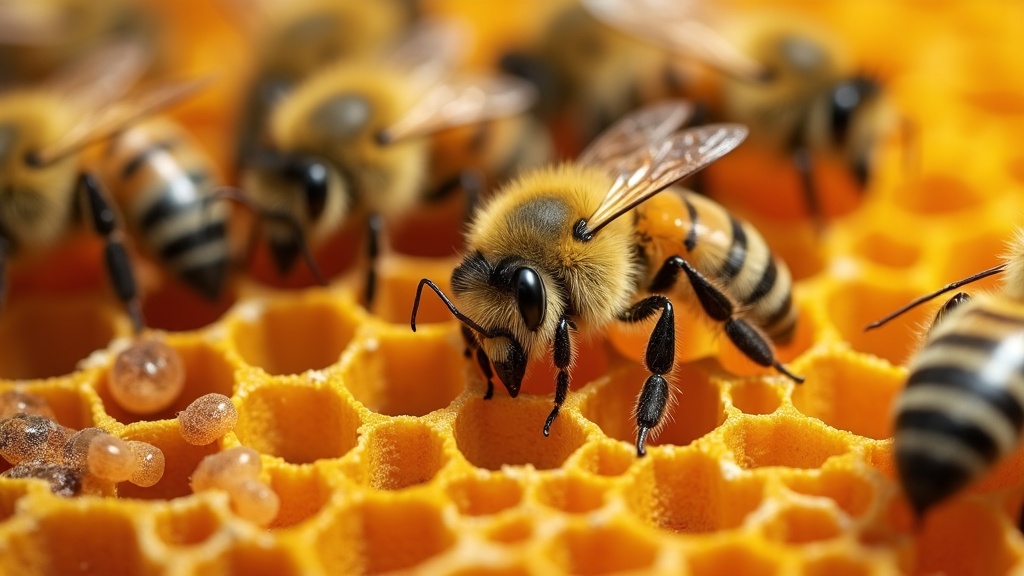
Varroa destructor—often just called Varroa mites—are tiny parasites that latch onto honey bees and feed on their fat bodies. They multiply fast, spreading from bee to bee and invading brood cells. This doesn’t just weaken individual bees; it lowers the whole colony’s ability to fight off pathogens, especially viruses. For anyone keeping bees, Varroa mites are a pretty regular danger and they’ve become a serious challenge across the world.
Years ago when I first started, I misjudged how quickly a small mite problem can snowball. After a couple of months without checking, I lost nearly half a hive. Careful, regular checks and mixing up management tactics became part of my go-to routine. There are all sorts of ways to tackle mites, but I want to focus on organic solutions that work, whether you’re in your backyard apiary or running a small operation.
Benefits of Organic Varroa Mite Control
Going organic means working with natural or low-impact options—not heavy-duty synthetic chemicals. There are plenty of reasons why this makes sense for many beekeepers:
- Bee Health: Organic options are gentler on bees and don’t build up toxic residues in wax or honey.
- Sustainability: Using organic methods fits into the bigger goal of ecofriendly and responsible beekeeping. I’ve found this approach keeps everything—from honey to beeswax—safer for my family and anyone who enjoys the honey I harvest.
- Resistance: If you overuse chemicals, mites can become resistant. Switching things up with organic options cuts down that risk.
- Regulations: Organic honey production requires approved natural treatments, especially if you want to label your products as “organic.”
If you’re looking to check out the science behind organic beekeeping and Varroa, the Honey Bee Health Coalition (source here) offers lots of well-researched info.
The Top 5 Organic Methods for Controlling Varroa Mites
Here are the methods I rely on, based on my firsthand experience, tips from trusted beekeepers, and research from bee health organizations.
1. Drone Brood Removal
Varroa mites seriously target drone brood. Drone brood (unfertilized male bee larvae) take longer to develop, which gives mites extra time to reproduce. Here’s how I handle it:
- Set a drone frame or foundation in the brood area so the bees fill it with drone brood.
- Once the brood is capped (you’ll see lots of puffed-up caps), pull that frame out and freeze it for a day or two. Freezing kills any mites inside.
- Scrape off the dead brood, return the clean frame, and repeat this during spring and summer as needed.
While it can seem odd to cull drone brood, it really reduces mite numbers. I rotate between two drone combs per hive, swapping them out every three weeks, and find this very effective. Want more info? The BC Ministry of Agriculture’s beekeeping manuals cover all the details and best practices.
2. Powdered Sugar Dusting
This is a classic strategy that still holds up. Sprinkling powdered sugar over bee frames doesn’t kill the mites, but it encourages the bees to groom themselves and each other more—knocking off the unwanted hitchhikers. Here’s my routine:
- Use a fine mesh sifter or kitchen strainer to dust every frame lightly (try to avoid open brood).
- The sugar drops between the frames and falls to the hive’s bottom. Use a sticky board or tray here to collect and keep tabs on how many mites fall off.
This method is safe for bees and is fine to repeat a few times a season. It works best on smaller colonies but is a handy add-on for any setup. Remember, it’s more for quick “knock down” than for total mite removal.
3. Organic Acids: Oxalic and Formic Acid Treatments
Oxalic and formic acids are both found naturally in the environment and have a solid mite-killing punch without leaving behind harmful residues. Both get the thumbs up for organic beekeeping in lots of places.
Oxalic Acid: This compound occurs in plants like spinach and rhubarb, so it’s pretty safe when used right. I do a sugar syrup dribble in early spring or late fall, especially when there’s little to no capped brood. Vaporization is another option, but you need special equipment and to take safety seriously—always wear gloves and a mask.
Formic Acid: This acid features in commercial products like Mite Away Quick Strips (MAQS)—they’re basically pads you set in the hive. They hit mites in capped brood as well, but you need to be careful with timing and weather. High temps can stress out queens and brood, so check forecasts before treating.
The National Bee Unit in the UK and the USDA summarize when and how to use these acids if you want to dig deeper. Both are worthwhile parts of your plan and work well if you switch them up.
4. Essential Oils: Thymol and Others
Going the nature-friendly route with essential oils works well, especially with thymol from thyme oil. These oils mess with mites’ nervous systems—making the hive less inviting for them. Here’s my method:
- Try commercial products like Apiguard gel trays. Pop them on top of your brood frames and let the gentle vapor do the heavy lifting. Each tray lasts a few weeks per treatment.
- If mixing your own, always use tested recipes and proper strengths—straight essential oil is way too much and not safe for bees.
Most folks use these after the honey harvest and in late summer. I’ve seen good mite drop numbers in my own hives when mites start to get established.
5. Splitting and Brood Breaks
Splitting hives for a brood break pulls double duty: you grow your apiary and trip up the mites’ breeding cycle. Mites depend on bee brood for reproduction, so when you split the hive and stop brood-rearing, they’re stuck. Here’s how I work it:
- Move the queen and a handful of frames with bees to a new box. The original hive has to raise a new queen, so no brood is produced for about three weeks.
- This gives a window where mites have nowhere to hide—you can pair this with an acid treatment right at the end for maximum impact.
Small-scale beekeepers often use this method during swarm season. It helps nip swarming in the bud and controls mite buildup at the same time. The Kentucky Cooperative Extension Service has great step-by-step info if you’d like more guidance.
Things to Know and Watch Out For
Organic mite controls need more checking in and extra effort beyond dumping in standard treatments—but what you get back is a healthier colony and cleaner, safer honey. Here are a few hard-learned lessons:
- Monitor Regularly: Use sticky boards, sugar shakes, or alcohol washes to count up mites. Don’t wait—spot a spike early and you save your bees a world of trouble.
- Timing Matters: Hive brood cycles and the weather both affect how well treatments work. Oxalic acid only works on adult bees; thymol needs warm temps; formic acid can stress your bees if it’s too hot.
- Rotate Methods: Mites are sneaky. Mixing up your approach yearly keeps them from getting too comfortable.
- Stay Safe: Even the safest organic acids and oils need careful dosing. Always wear gloves and a mask, and follow all instructions.
For more details on rotating controls and tracking mites, the Bee Informed Partnership shares up-to-date guides (beeinformed.org).
Advanced Tips and Tricks for Organic Mite Control
Once you’ve checked all the basics, you can mix together several methods for stronger results. I’ll often use drone brood removal and powdered sugar dusting in early spring before moving on to acid treatments. Integrated Pest Management (IPM) is the big term here—basically, you bring together cultural, biological, and, if needed, safer chemicals to keep mites at bay and your bees thriving. For Varroa, layering organic tactics works far better than just sticking with one.
Switching out old comb, rotating hive equipment, keeping hives in sunlight (since mites love the shade), and making sure your bees have top nutrition all help. There are beekeepers raising bees with “hygienic traits”—meaning they’re better at spotting and dumping infested brood. If you want to dig into the latest tricks and ideas, check out the Beeculture magazine’s organic columns. You’ll find practical and new-school ideas from folks who live and breathe bees.
Frequently Asked Questions
People new to organic mite control often have the same questions. Let’s knock out the main ones:
Question: Can I use organic methods all year round?
Answer: Most organic methods are best used in spring and late summer. However, tools like drone brood removal and splits offer flexibility if you time them with your local bee cycle.
Question: Will organic methods completely get rid of mites?
Answer: The realistic goal is to keep mite numbers low, not totally wipe them out. Full-on eradication isn’t likely, but managing them with consistent organic approaches keeps your bees fighting fit.
Question: Does organic control mean no chemicals at all?
Answer: Organic acids and essential oils are naturally occurring chemicals, but they break down rapidly and don’t stick around in your hive’s wax or honey. That’s why they’re approved for use in organic beekeeping.
Organic Beekeeping for the Long Haul
Taking care of Varroa mites is simply part of being a beekeeper today. Sticking with organic techniques supports healthier, longer-lived hives. No matter if you’re new to bees or have managed colonies for a decade, using a strong plan, steady monitoring, and reliable treatments will help your bees and make for happier hives—and tastier, cleaner honey—every year. Here’s to healthy bees, the sweet life, and organic beekeeping done right.
This was a really informative and practical read, Mats. I appreciate how you broke down each organic method clearly while still sharing your own experiences. It makes the advice feel both trustworthy and doable. I’m curious as well about which of these five methods has given you the most consistent results over time, especially during peak mite seasons?
John
Hi John!
Thank you for the thoughtful feedback! I’m really glad you found the breakdown helpful. In my experience, the most consistent long-term results come from combining drone brood removal with oxalic acid vapor treatments during brood-light periods. This combo keeps mite levels manageable without stressing the colony too much. Still, no single method works year-round — rotating and timing treatments carefully with the bees’ natural cycles tends to give the best overall success.
/Mats