
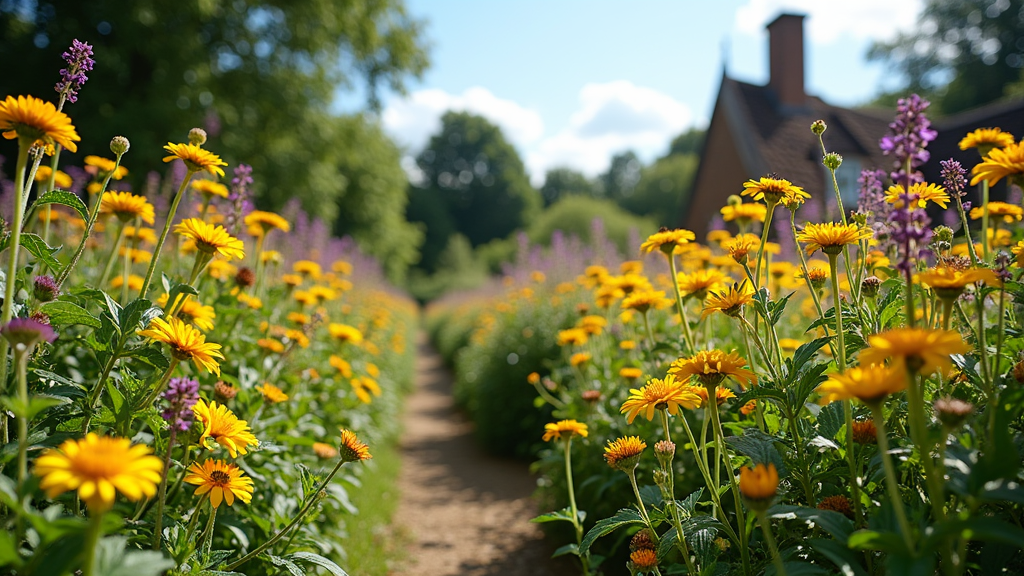
 Bee-friendly plants are not only a treat for the eyes but also a lifeline for pollinators in our gardens. In the UK, where garden spaces often serve multiple purposes, choosing plants that attract bees can help maintain a healthy ecosystem while adding beauty and fragrance to your outdoor area. With the right combination of flowers and herbs, you can provide essential nectar and pollen, encouraging bees to flourish even in small spaces. This guide covers 10 plants that work wonderfully in UK gardens, offering advice on growing conditions, maintenance, and the benefits each plant brings to local pollinators.
1. Lavender: A Fragrant Magnet for Bees
Lavender is one of the most popular choices for attracting bees in the UK. This perennial’s purple blooms and aromatic scent make it a delightful addition to any garden. Not only does lavender require little water once established, but its drought-resistant nature makes it ideal for a variety of climates. Bees are drawn to its nectar, which is abundant throughout the blooming season. Its versatility and resilience mean that both new and experienced gardeners can enjoy a flourishing display of color and aroma.
Bee Benefits:
- Provides a continuous nectar source
- Attracts native and solitary bees
- Adds both colour and fragrance to the garden
Growing Tips: Plant lavender in a sunny spot with well-drained soil and prune lightly after flowering to maintain its shape.
2. Borage: The Bee’s Best Friend
Borage, with its star-shaped blue flowers, is celebrated for attracting bees and other beneficial insects. Its rapid growth and tendency to self-seed make it an excellent companion in any garden space. Borage not only offers pretty blooms, but its leaves are also edible, adding a refreshing taste to salads and beverages. This plant is a practical addition if you want to combine culinary benefits with garden beauty.
Attractions for Bees:
- Abundant nectar and pollen
- Continuous blooming from early summer
- Easy to grow and maintain
Growing Tips: Sow borage directly into the garden after the last frost, and let it naturally reseed to keep your bee visitors coming back each year.
3. Catmint: A Low-Maintenance Beauty
Catmint is a hardy, drought-tolerant perennial that produces soft, silvery-green foliage and clusters of small, lavender-blue flowers. This plant rarely requires much attention, making it perfect for gardeners who prefer an option that is both attractive and low-maintenance. Bees love the steady supply of nectar from catmint’s blooms, and its pleasant aroma adds a subtle charm to the garden environment.
Bee Benefits:
- Long blooming season, providing food for bees
- Low water needs and minimal upkeep
- Attractive ground cover and filler in garden beds
Growing Tips: Catmint thrives in full sun and well-drained soil. It also works nicely as a border plant around garden pathways.
4. Salvia: Colourful Blooms for Pollinators
Salvia, also known as sage, is an excellent plant for UK gardens that supports bee populations. Its vibrant spikes of flowers can range from deep blue to bright red, providing an eye-catching display throughout the blooming season. The aromatic leaves release a pleasant scent when brushed against, inviting bees to check out every bloom while adding a layer of sensory delight to the garden setting.
Attractions for Bees:
- Rich source of nectar
- Extended flowering period
- Beautiful display of colour
Growing Tips: Salvia prefers a sunny location and well-draining soil. It benefits from occasional deadheading to encourage continuous blooming.
5. Foxglove: A Towering Favorite
Foxglove adds a touch of drama with its tall, spire-like clusters of tubular flowers. These stately blooms come in a range of soft shades, including pink, purple, and white, and are naturally suited to the cool, moist conditions common in UK gardens. Besides being visually appealing, foxglove offers a rich source of nectar for bumblebees and other pollinators during its flowering period.
Bee Benefits:
- Provides nectar over a prolonged blooming period
- Attracts a variety of bee species
- Creates striking vertical accents in garden beds
Growing Tips: Plant foxglove in partial shade and ensure moist, well-drained soil. It is ideal for cottage gardens where natural wildflowers are celebrated and appreciated for their next-level cool appearance.
6. Buddleia: The Butterfly and Bee Attractor
Buddleia, often called the butterfly bush, is known for its ability to draw in numerous pollinators, including bees and butterflies alike. Its clusters of fragrant flowers come in shades of purple, pink, or white and bloom throughout the summer. Although sometimes debated for its invasive potential, growing buddleia responsibly in a controlled space can offer a lavish feast for pollinators while adding an all-in-one appeal to your garden.
Attractions for Bees:
- Rich, nectar-laden clusters
- Extended flowering period during warm months
- Boosts garden biodiversity
Growing Tips: Plant buddleia in a sunny spot with well-drained soil and trim it after flowering to control its growth. Regular cutting back can also promote fresh bursts of blossoms.
7. Echinacea: Robust and Resilient
Echinacea, commonly known as coneflower, provides a burst of colour with its daisy-like blooms and raised cone centers. This sturdy perennial is well-equipped to thrive in diverse garden conditions, from full sun to partial shade. Its unique shape and vivid colors are particularly attractive to bees, who appreciate the ample nectar and pollen on offer, making it a fantastic choice for both decorative and ecological purposes.
Bee Benefits:
- Attracts a wide range of pollinators
- Blooms persistently through summer
- Adds striking vertical elements to garden design
Growing Tips: Echinacea does well in well-drained soil and benefits from occasional deadheading, which encourages further flowering. Its drought resistance makes it perfect for low-water garden setups.
8. Creeping Thyme: A Subtle, Bee-Friendly Ground Cover
Creeping thyme is an excellent ground cover that doubles as a charming plant for bees. Its small, aromatic leaves and clusters of tiny flowers create an attractive carpet that works well in rock gardens or between paving stones. As thyme blooms, it produces a gentle yet persistent scent that invites bees to explore its delicate blossoms, making it a smart choice for texture and low-growing beauty.
Attractions for Bees:
- Provides a low-growing source of nectar
- Fills gaps and adds texture
- Thrives in sunny, well-drained conditions
Growing Tips: Plant creeping thyme in full sun with light soil and minimal water. Its soft, resilient leaves are ideal for areas that receive considerable foot traffic.
9. Sedum: The Autumn Joy for Bees
Sedum, also known as stonecrop, blooms from late summer into early autumn, offering a crucial late-season food source for bees. Its clusters of star-shaped flowers appear in shades of pink, red, or white, adding both beauty and texture to your garden. Sedum is remarkably hardy, making it a reliable option for the varied weather and soil conditions found in UK gardens.
Bee Benefits:
- One of the last nectar sources in the season
- Low-maintenance and drought-resistant
- Adds texture and colour to garden borders
Growing Tips: Sedum thrives in full sun with well-drained soil. It is particularly effective in rock gardens or as a filler in mixed borders, where its succulence offers a contrasting element.
10. Sunflowers: A Tall Beacon for Bees
Sunflowers not only epitomize the spirit of summer but also serve as powerful attractors for bees. Although they are more commonly grown in larger gardens, compact varieties can work well in UK gardens that have sufficient space. Their broad, vibrant faces provide an unmistakable beacon for bees searching for nourishment during the warmer months, while their tall stature introduces a striking element to garden design.
Attractions for Bees:
- Large, nectar-rich blossoms
- Attracts both bees and other pollinators
- Adds height and structure to garden layouts
Growing Tips: Choose a sunny, well-drained spot and ensure regular watering during the early growth stages. Sunflowers are generally grown as annuals and, if cared for properly, might even self-seed to surprise you in the next season.
Extra Tips for Creating a Buzzing Garden
Expanding your garden with a mix of bee-friendly plants can truly transform your outdoor space into a lively sanctuary for pollinators. It is very important to consider factors like soil quality, moisture levels, and sunlight exposure when planning your planting strategy. Working with a variety of species not only gives a boost to biodiversity but also helps create a resilient garden ecosystem. For instance, pairing plants with different blooming periods ensures that bees have a steady food source all season long. In addition, incorporating herbs such as rosemary, mint, and parsley can add extra layers of fragrance and culinary delight while naturally inviting bees to pay a visit.
Regular maintenance is key to keeping a garden healthy. Taking time to water the soil, remove dead blossoms, and occasionally trim overgrown sections can make a big difference over time. Experiment with interspersing larger flowering plants with more modest ground covers to create visually appealing contrasts and practical barriers against pests. Over time, you may even notice that your garden becomes a hub for other beneficial insects, which work together to further support the overall health of the green space.
Pay attention to the local climate and adjust your gardening methods accordingly. In more challenging weather conditions, consider using organic mulches and natural fertilizers to retain soil moisture and provide nutrients steadily. With every season, your garden will develop its own character, offering not only an eye-catching display but also a nurturing habitat for bees and other wildlife. Taking a thoughtful, hands-on approach in planning and executing your garden project can make the entire process both rewarding and educational.
Bottom Line
Adding bee-friendly plants to your UK garden offers a multitude of benefits. You create a landscape bursting with colour and fragrance while supporting the local ecosystem by providing essential resources to pollinators that are in need. Each of these 10 plants contributes something unique—from the subtle charm of creeping thyme to the bold presence of sunflowers. Mixing these species can result in a garden that is both decorative and a haven for bees and other beneficial creatures.
Experimenting with different combinations might lead you to new surprises. Some plants thrive in full sunlight, while others do better in semi-shaded areas. With a bit of research and trial, you will find the perfect balance for your garden’s unique conditions. This approach not only gives a boost to biodiversity but also offers a deep sense of satisfaction as your garden evolves into a buzzing sanctuary throughout the growing season.
Gardening is both an art and a science. With proper planning, care, and a willingness to adjust your methods as needed, your UK garden can transform into an oasis that benefits both you and the local wildlife. Which bee-friendly plant are you excited to try out first? Enjoy the process, take up a notch with your garden care, and watch as your outdoor space morphs into a lively, vibrant retreat. Wrapping up, remember: every small change can make a difference, and every bloom contributes to a thriving ecosystem that supports life in more ways than one.
This is a fantastic guide on creating a bee-friendly garden! It’s wonderful to see how we can combine beauty with eco-conscious gardening practices to support pollinators. I’m particularly interested in the advice about growing plants like lavender, borage, and catmint, which seem to offer both aesthetic appeal and vital resources for bees. As someone with limited garden space, I’m curious about any additional tips or strategies for creating a bee-friendly environment in smaller gardens or urban spaces. How can I make the most of a small area to attract and support bees effectively?
Hi Herman!
Thank you for your thoughtful comment! Even with limited space, you can create a thriving bee-friendly environment by using vertical gardening, hanging baskets, and window boxes filled with nectar-rich plants like lavender and thyme. Choosing a variety of flowers that bloom in different seasons ensures a continuous food source. You can also provide a small water dish with pebbles for bees to safely drink from. Every little effort counts in supporting pollinators, even in urban spaces!
/Mats