
When you’re walking through a garden or a forest, you might be surrounded by these incredible hidden homes—the Lives of Bees in habitats that make up a mini architectural wonder. Bees are absolute pros at choosing their locations, opting for places that offer safety and resources. They look for nooks in tree trunks, cozy crevices in rocks, or even spots under our eaves to set up shop. Each choice is strategic, protecting the hive from weather and predators.
The structural design of these homes is another thing to marvel at. Ever notice those nearly perfect hexagons in honeycombs? That’s no random feat. The hexagonal shape efficiently maximizes space while allowing flexibility—a top-notch feature of bee engineering. The combs are not just about storage, either; they’re fundamental to the whole hive’s structure, providing the foundation where these little architects reside, work, and raise their young.
Speaking of adaptation, bees have got it down to a science. They modify their home-building strategies based on climate and threats. In regions with harsh winters, for example, you’ll find them handy at creating insulated homes to trap warmth. Meanwhile, in predator-heavy regions, bees may rely on more concealed locations to stay safe.
So, next time you stumble upon a beehive, remember there’s a whole world of planning and adaptation that’s gone into that unseen habitat. It’s not just nature’s instinct at work. It’s a careful, calculated effort by some of the strangest and smartest environmental engineers.
The Social Fabric: Understanding Bee Hierarchies and Roles
Bees have a buzzing social structure that rivals any tale of royal courts or complex societies. At the top of this hierarchy sits the queen bee, the heart and soul of the hive. The Lives of Bees isn’t just lounging around, though. This queen has one crucial job—reproduction. She lays all the eggs that keep the hive thriving, with a mission to perpetuate her lineage and maintain order. The queen’s unique pheromones are like a queen-in-waiting stop and command her roles through chemical guidance.
Now, enter the workforce—the tireless worker bees. Holding down the hive’s hustle and bustle, these gals are multitasking powerhouses. They forage for food, build and repair the hive, nurse the larvae, and even defend their buzzing home from threats. Their life might be short, but what they accomplish is nothing short of extraordinary.
Then there are the drone bees, the somewhat mysterious members of the hive. Living to mate with the queen, their existence is all about ensuring genetic continuation. Once their primary role concludes, these fellows often exit the scene, contributing little else to hive activities.
An eye-catching aspect of bees is their communicative dance, famously known as the waggle dance. It’s like an intricate, rhythmic message board alerting their peers about food sources’ direction and distance. Coupled with chemical signals, these communication methods ensure the collective’s efficiency and survival, steering the hive’s activities in a harmonious direction.
Peeking into a beehive’s social fabric reveals a world where teamwork defines success, and every bee knows its role and value in maintaining the hive’s harmony. It’s truly a spectacle of cooperative living that can inspire even the most human of endeavors.
Secrets of Pollination: Bees’ Unseen Contributions to Ecology
Bees don’t just buzz around aimlessly; they perform an essential task that touches our lives more closely than most realize.
- As pollinators, they’re pivotal in the global agriculture system, responsible for the reproduction of many crops. Apples, almonds, and blueberries? Thank a bee next time you’re savoring those. These little creatures have a hand in producing one in every three bites of food we eat.
- Beyond agriculture, bees play a significant role in maintaining biodiversity. By hopping from flower to flower, they facilitate the genetic intermixing necessary for healthy plant populations. This pollination process enables plants to reproduce and thrive, which in turn supports ecosystems and a variety of animal life.
- Understanding the foraging behavior of bees gives insight into their contributions. They’re selective, loyal to the flowers blooming nearby, and operate with incredible efficiency. As foragers, worker bees visit hundreds of flowers each day in search of nectar and pollen, making them effective agents in cross-pollination. Their keen sense of smell aids them in tracking down the most attractive blooms.
With the world changing fast, bees face challenges that disrupt their pollinating prowess. Climate shifts and habitat loss are altering bloom times and reducing flower diversity, affecting bees’ food sources and making Lives of Bees hard. To protect these critical pollinators, efforts must focus on preserving and restoring habitats, ensuring bees continue their crucial role in our ecosystem.
In Pursuit of Preservation: Safeguarding Bee Populations
In recent years, bees have faced growing challenges that threaten their numbers and, ultimately, their survival. Pesticides, habitat loss, and disease top the list of concerns. These threats disrupt their delicate ecosystems, leading to decreased bee populations worldwide—a worrying trend given their crucial role in pollination.
Innovative conservation efforts are emerging as a beacon of hope. From urban beekeeping initiatives to large-scale preservation projects, there’s a collective push to create safe havens for these vital creatures. Backyard beekeeping is gaining popularity, offering individuals a hands-on way to contribute. By integrating bee-friendly practices, like planting diverse flowers and avoiding chemical pesticides, even small gardens can offer bees a much-needed lifeline.
Beyond just individual efforts, larger movements are making headway. Organizations and governments are implementing measures that range from restoring natural habitats to funding research on bee health and resilience. These initiatives work to build a future where bees can thrive, secure in their essential pollinating duties.
Every small action counts when it comes to the bees’ future. Creating bee-friendly spaces in our homes or supporting local beekeeping projects can collectively make a difference. The future for bees hinges on our willingness to act, ensuring these remarkable creatures continue to play their vital role in our ecosystems for generations to come.
This post may contain affiliate links.
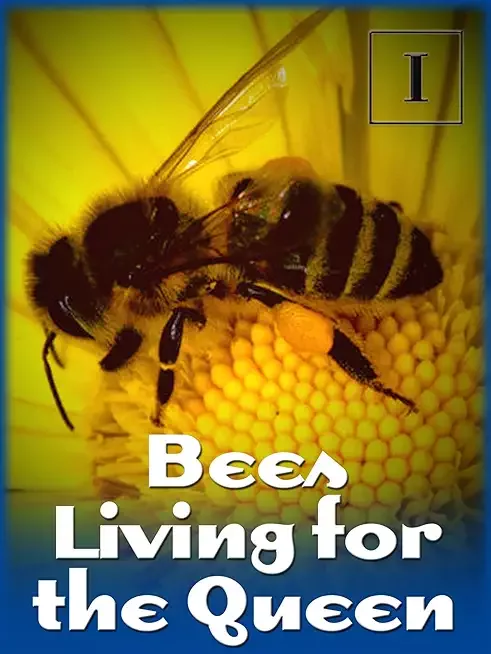
The film documents the life of a bee colony for the duration of a year. Part of the colony emigrates and becomes a ‘wild’ colony giving an intimate view of the artistically designed beehive and the bee’s cleverly organized social life: dividing labour, collecting nectar and warding off enemies.
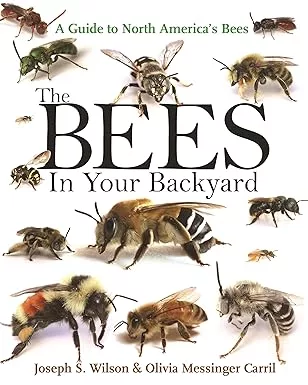
The Bees in Your Backyard provides an engaging introduction to the roughly 4,000 different bee species found in the United States and Canada, dispelling common myths about bees while offering essential tips for telling them apart in the field.
The book features more than 900 stunning color photos of the bees living all around us―in our gardens and parks, along nature trails, and in the wild spaces between. It describes their natural history, including where they live, how they gather food, their role as pollinators, and even how to attract them to your own backyard. Ideal for amateur naturalists and experts alike, it gives detailed accounts of every bee family and genus in North America, describing key identification features, distributions, diets, nesting habits, and more.
* Provides the most comprehensive and accessible guide to all bees in the United States and Canada
* Features more than 900 full-color photos
Bees never cease to amaze me with their intricate habits and hidden hive locations. It’s wild how they can build thriving colonies in the most unexpected places. As a beekeeper for eight years, I’ve had my fair share of surprise hive discoveries, and each one has been a learning experience. The section about how bees communicate their new hive locations was especially fascinating. It’s like they have their own secret real estate network! Loved the insight into their survival strategies, too.
Hi Randi!
Thank you for your insightful comments!
Bees truly are master architects and communicators! Their ability to scout and decide on new hive locations through the waggle dance is incredible—it’s nature’s own real estate system. Unexpected hive discoveries always bring surprises and valuable lessons. Have you ever had to relocate a tricky hive, and if so, what was your approach? Thanks for sharing your experience!
/Mats