Watching bees buzz from flower to flower has always fascinated me. There’s a whole story hidden in that flight, one that ends in a jar of golden honey on the kitchen shelf. From the outside, it seems pretty straightforward: bees collect nectar, then magically turn it into honey. But the real process is way more involved and full of interesting details that really show off the complexity of nature. Here, I’ll take you through exactly how honey goes from a blooming field to your breakfast table.
Where It All Begins: Bees and Blossoms
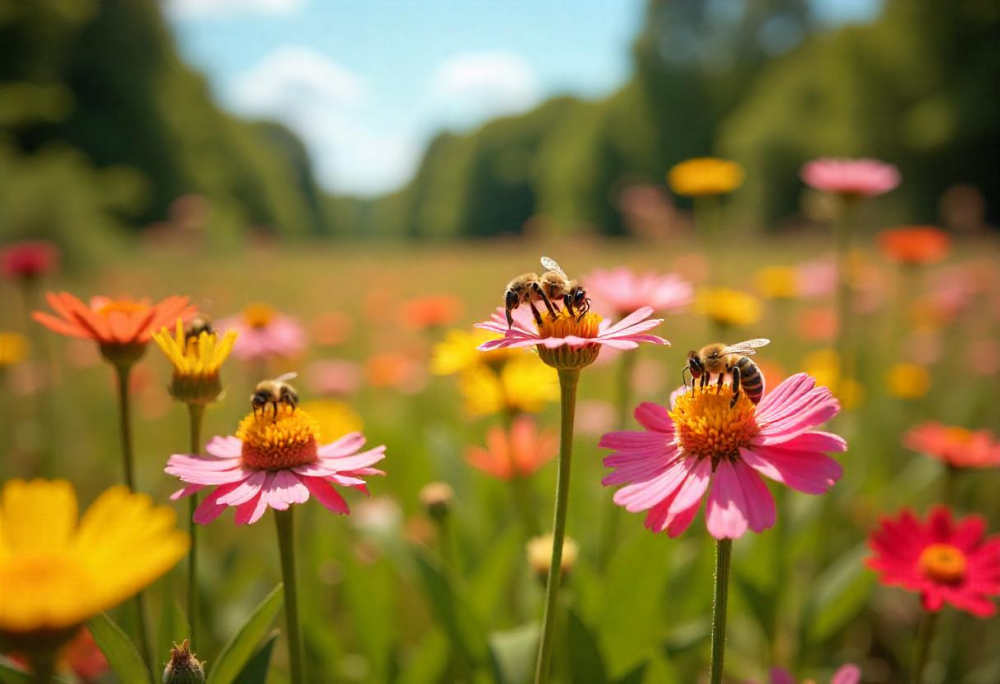
The whole adventure kicks off when flowers bloom and bees get to work collecting resources. Honeybees are fierce foragers, with each worker bee dedicated to tracking down sources of nectar and pollen. This relationship is really important for both sides: bees get the sugary nectar that gives them energy, and flowers get help spreading their pollen, which leads to new seeds and more plants in the next season.
Bees use a super sensitive sense of smell and special vision (they can see ultraviolet light, which we can’t) to pick flowers that offer the richest nectar. Usually, worker bees—those female bees in the hive—spend their days out in the fields, sometimes visiting hundreds of blossoms in a single trip. That hard work keeps the whole hive running smoothly.
The Bee’s Toolkit: Collecting Nectar and Pollen
Collecting nectar isn’t just about stopping by a flower and grabbing a snack. Bees have adapted in some pretty wild ways for this job. Each honeybee has a long, strawlike tongue called a proboscis. They use this to suck nectar from deep inside flowers. The nectar is stored in a special “honey stomach” that’s totally separate from their regular digestive system, so the goodies stay fresh and untouched until the bee gets back home.
While collecting nectar, bees also gather pollen, which sticks to the fuzzy hairs all over their bodies. They pack this pollen into special pockets on their hind legs, often called pollen baskets. The pollen is a key source of protein for the hive and is used mainly for feeding larvae.
- Nectar: The sugary liquid from flowers, used to make honey and provide energy for the bees.
- Pollen: A proteinrich powder, collected as “bee bread” for feeding young bees.
Back At The Hive: Passing Off the Nectar
After a bee fills up on nectar, she heads back to the hive, where another big step starts. She meets a “house bee” near the hive entrance and transfers the nectar mouth to mouth. This exchange is more than just a handoff; it’s the first stage of honey production.
As the nectar is passed along, each bee adds special enzymes that break down complex sugars into simpler ones. This helps prevent the nectar from spoiling and pushes it toward becoming stable, longlasting honey.
The Special Role of Enzymes
- Invertase: An enzyme from bee saliva that splits sucrose from nectar into glucose and fructose.
- Glucose Oxidase: Converts some of the glucose into gluconic acid and hydrogen peroxide, which keep the honey from spoiling while it ripens.
Turning Nectar Into Honey: Evaporation and Storage
After processing the nectar, bees store it in the waxy hexagons of the honeycomb. Here, things really start to change. The nectar is still mostly water—way too runny for it to last over winter, so bees get busy fanning their wings. This steady airflow speeds up evaporation and thickens the nectar into honey. The hive becomes a little dehumidifier, reducing the moisture content of the future honey to less than 20%.
When the honey is thick enough, bees seal up each cell with a wax cap. This keeps it fresh until it’s needed. Sometimes, if you crack open a honeycomb, you can see both capped and uncapped cells. The uncapped ones are still in progress, bees are working through the evaporation stage, and the nectar isn’t quite honey yet.
Why Do Bees Make Honey?
Even though humans love honey, bees actually make it for their own survival. It’s a yearround food stash. When flowers vanish in colder months, bees look to stored honey for energy to keep the hive warm and to feed new bees. An average hive can eat through 30 to 60 pounds of honey in a year, especially in rough winters.
Beekeepers make sure not to collect too much of a hive’s honey. The best beekeepers always leave enough behind to keep the colony healthy and strong.
The Beekeeper’s Part: Harvesting Honey
Collecting honey is one of those jobs that looks easy but needs some knowhow and respect for the bees. Here’s a simple look at how it works:
- Frames out of the hive: Beekeepers gently lift full frames of capped honeycomb from the hive boxes.
- Removing the wax cappings: They scrape off the thin wax covers from each cell with a special tool.
- Spinning the honey out: The frames go into an extractor, which uses centrifugal force to fling honey out of the comb and into a storage tank.
- Filtering and bottling: The honey gets filtered to remove any leftover wax pieces or debris. Then, it’s poured into jars, ready for eating.
It’s important for beekeepers to move slowly and calmly. Disrupting the bees too much may stress the hive or even cause them to leave. A little smoke is often used during the harvest; it calms bees by masking alarm signals and making them less likely to sting.
Challenges Honeybees Face Along The Way
The bee to honey adventure can run into a few roadblocks. Here are some of the main ones honeybees deal with today:
- Pesticides: Chemicals sprayed on crops can poison bees and damage hives.
- Habitat loss: Fewer wildflower meadows means less food for bees to collect.
- Parasites and diseases: The varroa mite and certain viruses can wipe out entire colonies if not treated.
- Climate change: Unpredictable weather and seasons can throw off the timing of blooms, which leaves bees without enough nectar during their busiest periods.
Lots of organizations and gardeners now plant pollinatorfriendly gardens and avoid harsh pesticides to help support bees. Even small changes, like growing wildflowers or letting parts of a yard go a little wild, can really add up for these pollinators.
Bonus Details: Cool Bee Facts
After checking out how bees make honey, I picked up some fun facts I like to share at gatherings (yes, I’m that person!).
- One honeybee will make about 1/12th of a teaspoon of honey in its lifetime.
- A single hive can fly more than 55,000 miles to produce just one pound of honey.
- Bees communicate by “dancing” in the hive to show others where the best flowers are.
- Different flowers lead to different honey flavors, from light and floral (like clover honey) to dark and earthy (like buckwheat honey).
Frequently Asked Questions About Bees and Honey
Bee lovers and firsttime beekeepers often ask a few common questions, so here are quick, handy answers:
Question: Does honey go bad?
Answer: Properly sealed honey never really spoils. Its low moisture and natural enzymes keep bacteria and mold away. Just keep it sealed and out of direct sunlight, and you’re good.
Question: Why are bees important beyond making honey?
Answer: Bees are top tier pollinators for a huge chunk of the world’s food crops, like apples, almonds, cucumbers, and more. Without them, grocery store produce aisles would look pretty empty.
Question: How can I help protect honeybees?
Answer: Plant pollinatorfriendly flowers, avoid harsh chemical pesticides in your yard, and try to support local beekeepers by buying their honey.
What Makes Honey Special For Us?
Honey is more than just a tasty topping for biscuits or yogurt. It has natural antibacterial qualities, and many folks use it to soothe sore throats or give a boost of energy. Raw honey straight from the hive is full of trace vitamins, minerals, and antioxidants—it’s a simple product packed with a lot of tradition and value.
The process that turns delicate blossoms into honey in your pantry is pretty amazing. Every spoonful really is the finish line of an incredible natural adventure. Next time you sweeten your tea or drizzle honey on toast, there’s a lot to appreciate about the bees that made it all possible. And if you ever want to support bees, just plant a patch of wildflowers or pick up a jar of local honey—the bees (and your taste buds) will thank you.
Wow—this breakdown of how honey is made is absolutely fascinating!
I use honey pretty much every day instead of sugar, ’cause let’s be real, it’s just a nicer taste, even if it comes with a higher price tag around here. So this deep dive into the journey from flower to jar really got me hooked (pun intended)!
I get the basic process, and given how much effort and coordination go into every golden drop, it’s no wonder that pure honey carries a steeper price tag where we live. It feels so worth it now that I know the backstory!
Thanks for this. definitely turned a pantry staple into something I admire even more.
Hi Alyssa!
Thank you for such a thoughtful comment! It’s wonderful to hear how much more you appreciate honey now that you know the bees’ side of the story. The journey from nectar collection to evaporation and capping is truly a masterpiece of teamwork inside the hive. That’s exactly why raw, pure honey is often more expensive—it reflects both the bees’ effort and the care of the beekeeper. Enjoying it daily as a natural sweetener is a beautiful way to honor that work!
/Mats