Beekeeping can be quite the adventure, but getting stung is definitely not the highlight you’re looking for. These little critters, while fascinating, have a powerful defense mechanism. Bees are protective, especially of their queen and hive, and they don’t hesitate to use their sting when they feel threatened. That’s exactly why a solid set of protective gear is more than just a smart choice; it’s downright essential.
Bees are incredible, hard-working creatures, but they come with their own set of challenges. Experienced beekeepers can tell you, bees don’t discriminate when it comes to defending themselves. Any disturbance, whether intentional or not, can make them a bit aggressive. This behavior can pose risks, and not just to newbies but to seasoned pro-beekeepers too.
Think of protective gear as your bee battle armor. Without it, you’re vulnerable to stings. For some folks, a bee sting is just a painful annoyance, but for others, it could trigger severe allergic reactions, which isn’t just uncomfortable – it’s dangerous.
Let’s not ignore the stories of beekeeping mishaps floating around. Imagine checking on your hive, without protection, and getting swarmed. Not fun, right? Protective gear acts as a buffer, minimizing the potential for painful encounters and giving you peace of mind as you go about your bee duties.

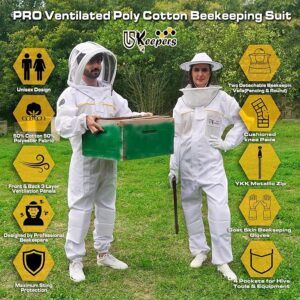 Example of Beekeping Suit from Amazon
Essential Protective Gear for Beekeepers
Getting yourself kitted out in the right gear isn’t just for show – it’s the key to a smoother, safer beekeeping experience.
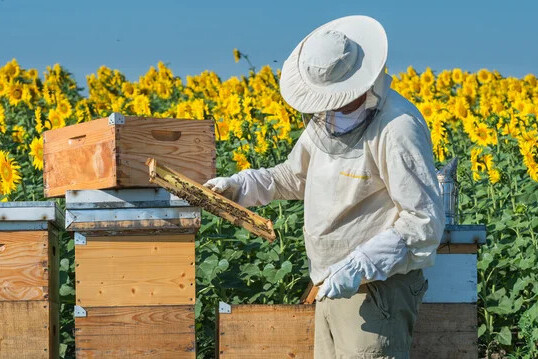
- The classic beekeeping suit (Amazon link) is a must. These suits are usually white and made out of thick material to prevent stings from getting through. They’re not exactly runway ready, but they do the job right.
- Gloves are another biggie. Think of them as your hand shield. Good beekeeping gloves are durable yet flexible, often made of leather or other sting-proof materials. They protect your hands but still allow you to handle delicate frames and bees.
- Then there’s the hat and veil combo. Bees have a knack for going straight for the face, so a veil is a lifesaver, letting you see clearly and avoid face stings. The mesh fabric is usually strong enough to keep those pesky stingers out, but light enough not to steam up.
- The right footwear can’t be forgotten either. You want boots that are both sturdy and virtually bee-proof. High boots with elastic cuffs work wonders in making sure no sneaky bees crawl up your leg. Elastic cuffs on pants can do the trick too, adding an extra layer of protection.
When picking out your gear, look for proper fit. Loose enough for comfort, but snug enough to keep bees from sneaking underneath. And remember, quality matters. Investing in well-designed gear made from durable materials ensures that your armor can withstand the test of time and the occasional wild hive!
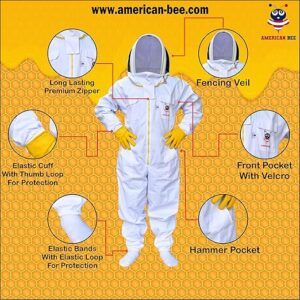
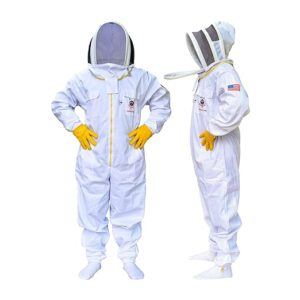
Example of Beekeping Suits from Amazon
Long-term Benefits of Using Protective Gear
Stepping into the world of beekeeping, you’ll quickly realize that donning your protective gear is like strapping on confidence. Knowing you’re covered means you can focus fully on the task at hand. When your mind’s not occupied with dodging unexpected stings, you’re free to observe bee behavior and health more closely, leading to better hive management.
Beyond keeping the nasties at bay, think of your protective gear as an investment in your well-being. Many beekeeping enthusiasts start out without fully understanding the potential health risks. For those allergic to bee venom, even a single sting can lead to serious complications. Protective gear significantly reduces these risks, providing a safeguard against unexpected allergic reactions or multiple stings.
It’s not just about physical protection, either. A protected beekeeper often means a calm beekeeper, and bees can sense anxiety. Staying chill helps in maintaining a peaceful environment around your hives, reducing the chance of agitating the bees further. Calm beekeeper vibes lead to calm bee vibes.
Regular use of protective gear also reduces stress, both mentally and physically. You’ll find that you’re more willing to engage in frequent hive checks and maintenance when you’re not worried about what might go wrong. This proactive approach keeps your hive healthy and thriving, and your peace of mind intact.
Best Practices for Maintaining and Using Protective Gear
Your protective gear doesn’t operate on a set-it-and-forget-it mode. Just like any good investment, taking care of it ensures longevity and effectiveness. Proper cleaning is step one. After each use, give your suit a good shake to get rid of any lingering bees or debris. If it’s washable, a gentle cycle with mild detergent does the trick. Dry it thoroughly to prevent mildew or fabric damage.
Storage is crucial too. Tossing your gear in a corner isn’t the best move. Use a designated space where your suit and gloves can hang freely without getting crumpled. Keeping it away from direct sunlight and moisture helps retain material strength and elasticity. You don’t want a weakened spot where bees can sneak through.
Inspect your gear regularly. Small tears or loose seams might not seem like much until a bee finds its way to you. Check your veil’s mesh and the suit’s zippers for durability. Repair kits can be handy for quick fixes, but for larger issues, consider professional repairs or replacements.
Putting on and taking off your gear correctly prevents unwanted bee inhabitants from coming home with you. Ensure all zippers are fully closed, and seals are tight. After a session, remove your gear carefully, away from the bee yard, to ensure any hanger-ons don’t follow you inside.
Mastering the upkeep of your gear not only prolongs its life but bolsters your confidence each time you suit up. That peace of mind is invaluable, giving you the freedom to enjoy the world of beekeeping with fewer worries about what’s buzzing around.
This post may contain affiliate links.
I found this article enthralling. I have been thinking about starting a beehive for a while now, and of course, I don’t want a bee sting. So, protective gear is super important in beekeeping. I have a question that is a bit weird. I am teaching kids respect for the environment where I live in Guatemala. Obviously, you don’t want five-year-olds around a hive, but how old would you recommend them to be to be safe around bees? I hope you don’t mind my question
Hello Catherine!
Thank you for your comment! Very nice to hear you thinking about starting beekeeping yourself! I hope I can ispire you and answer your questions! You know, I absolutly don’t mind your question, I think there’s nothing such as “weird questions” because we all have different starting points and different experiences. To answer your question, I think you can start introduce a 5-6 year-olds to participate with you if you can make them understand that they are fully protected in the bee keeping suit and they don’t need to wave around with their arms. Bees are sensitive for rapid movements and responds accordingly, so if the kids are calm, standing beside you and just looking, it’s a good start. You must learn the kids in small steps so they get used to the buzzing of the bees and understand that the sound is natural and not dangerous. Start with a couple of minutes the first times then increase time gradually on the next coming looking into the hive.
I hope I’ve given some answer to your question and I wish you good luck to start with your first hive! 🙂
You’re always welcome if you have some more questions.
We live near farming and have whole swarms of bees show up every time they remove the bee boxes from the fields. We get to see these bees up close and personal and also watch the beekeepers do their work each crop cycle. Just one sting tells you why you want protection as a beekeeper, and a few can even lead, as has happened to my wife, to an allergic reaction developed over time. Too many stings for a keeper can even be deadly, so we must always respect our little life-giving friends the honey bee. I was wondering, did you do these infographics yourself? They are amazing.
Hi Andy!
Thank you for your comments and thoughts!
Yes, it’s true you have to be very careful if you’re allergic to bee stings, but normaly bees don’t sting without a reason as wasps may do. One thing to know, is that allergic reaction to bee sting or sting from wasps is two different allergies, so you can be allergic to bees and not to wasps or the other way around.
Anyway I would recomend you to have antidot for allergic reations at home if you’re living close to a place with much activities with bees. In Sweden were I live, it’s common to receive antihistamine and cortisone. Some may need to be injected with adrenaline, because as you wrote, it can be deadly if you have a strong allergy to bee stings.
Yes, I did the infographics. Thank you for your kind words!
/Mats