Bees are the little workers who keep our world buzzing smoothly. They might be small, but they pack a punch when it comes to supporting biodiversity and keeping our food systems alive. If these busy insects were unable to hop from flower to flower, due to Climate Change Impact On Bees, many of the fruits and veggies we love just would simply not exist. Consider them as nature’s middlemen between plants, making sure life goes on and our tables stay full.
When it comes to agriculture, bees are the unsung heroes boosting productivity. They’re responsible for pollinating a significant portion of the crops that hang about in our supermarkets. Apples, almonds, and strawberries owe a big thank you to bees. Without their tireless flying and pollen spreading, farmers would face monstrous drops in crop yields, impacting food availability worldwide.
Beekeeping is more than just a hobby; it’s a key player in sustaining bee populations. By keeping bees, people not only help protect these essential insects but also play a part in safeguarding our food supply. Beekeepers are like guardians, tending to hives and supporting bee communities which in return sustain human communities. This partnership is vital for keeping ecosystems in check and ensuring that bees continue to thrive despite the many trials brought on by climate change impact on bees.
Thinking about getting involved with bees, or curious about their work? Understanding their role is a great first step. Being informed helps in appreciating why it’s so crucial to protect them. Whether through supporting local beekeepers or simply spreading awareness, everyone can play a role in nurturing the bees who nurture us.
How Climate Change Impact on Bees Threatens Populations Globally
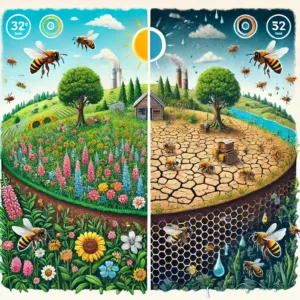
Climate change is shaking things up for bees everywhere, and it’s far from a good thing. With rising temperatures, bees are feeling the heat—literally. It messes with their usual routines, health, and even where they can survive. When temperatures spike, bees struggle to cool down their hives, leading to stressed and less productive colonies. The trickle-down effect here isn’t just about fewer bees buzzing; it means less pollination for plants too.
Extreme weather events are becoming the ugly norm thanks to climate change. Heavy rainfalls, floodings, and even droughts are pushing bees out of their comfort zones, often destroying their natural habitats and disrupting their daily work routines. This environmental chaos means bees have to travel further for food, weakening them further and escalating stress levels.
It’s not just the wild weather that’s causing problems. Changes in flowering patterns are reshaping food availability for bees. Flowers blooming too early or too late mess with the synchronized dance between bees and flowering plants. This timing hiccup leads to less food and energy for bees to survive and perform their vital duties.
Protecting bee populations amidst all this change requires creativity and action. By creating bee-friendly gardens or supporting conservation efforts, everyone can contribute to reducing the strain on these critical pollinators. Stepping up in local communities to provide safe havens for bees could be a game-changer in helping them adapt and thrive despite climate pressures.
Challenges Faced by Beekeepers in the Wake of Climate Change
Beekeeping’s becoming trickier business as the climate shifts, tossing beekeepers into a swirl of unpredictability. It’s not just about keeping the buzz going anymore; it’s also about playing weather detective and adapting on the fly. Changing seasons can upset bee colony cycles, leading to unexpected gaps in pollination when crops need it most.
Climate change is a key player in making bees more susceptible to diseases and pests. With more stress from environmental shifts, bees have weakened defenses, creating perfect conditions for pests like the varroa mite to thrive. Beekeepers need to be on their toes, learning new ways to manage these risks and keep their buzzing friends healthy and happy.
Economic challenges aren’t buzzing far behind. Farmers who rely heavily on bee pollination are facing fluctuating production due to unpredictable bee behavior. This variability hits beekeepers’ wallets, especially when bees can’t keep up with their pollination duties. It’s a snowball effect that could impact food prices and availability.
Taking on these challenges requires a fresh perspective. For beekeepers, that means staying informed and connected with the community to learn how others are adapting. Supporting each other with knowledge and resources can make all the difference in keeping bees thriving despite the climate rollercoaster.
Building resilience in bee populations requires local and global efforts to address the impact of climate change. Engaging in conversations with environmental advocates and participating in sustainable initiatives can pave the way for effective solutions that safeguard bees and beekeepers alike.
Innovative Solutions and Practices for Sustainable Beekeeping
Beekeeping needs a bit of a remix to keep up with the shifting climate scene. Folks in the field are stepping up with some innovative approaches to help bees handle these tricky times. It’s all about adapting—taking what’s been done for centuries and giving it a modern twist to protect our buzzing allies.
Keeping up with tech is a big part of the solution. From hive monitoring gadgets that track temperature and humidity to specially developed bee health apps, technology provides beekeepers with insights that would have been science fiction not long ago. This tech-savvy approach allows for quick responses to potential threats, ensuring bees stay healthy and productive.
Breeding smartly is also on the agenda. By focusing on strains of bees that show better resilience to environmental changes and disease, beekeepers can develop colonies more likely to thrive in changing conditions. Selecting for these traits is a game-changer in maintaining strong, adaptable bee populations.
On a more communal level, collaboration is key. Beekeepers working together with environmental groups, researchers, and local communities open doors to sharing best practices and resources wider. Participating in these networks empowers beekeepers with new strategies and support, helping to nurture sustainable beekeeping.
Embracing sustainable practices can turn challenges into opportunities, ensuring that both bees and their keepers can continue to prosper despite the challenges climate change throws. Why not consider getting involved locally or learning more about bee-friendly practices? Small steps can lead to big changes in supporting these vital pollinators.
It’s alarming to see how climate change is affecting beekeeping and the vital role bees play in our ecosystem. I hadn’t realised just how much shifting weather patterns can disrupt their life cycles and honey production. It’s a stark reminder of the need to protect our environment and support local beekeepers. Thanks for shedding light on this important topic!
Hi Andrew!
Thank you for your thoughtful response! Indeed, climate change poses significant challenges to bees, from disrupted life cycles to reduced honey production. Supporting sustainable practices and local beekeepers is crucial for protecting these vital pollinators and maintaining ecological balance. Together, we can make a positive impact!
/Mats