Natural remedies for bee ailments have become a favorite topic for hive keepers like me who care deeply about their bees. I started checking out these methods a few years back when I noticed changes in my apiary. Since then, I have found that using natural solutions not only eases many common bee issues but also makes the beekeeping experience more connected to nature. In this article, I share an all-in-one walk-through of different natural remedies that can help support bee health.
Understanding Common Bee Ailments and Natural Causes
Bees, like any living creatures, can develop a range of ailments. Many times, these issues stem from environmental stresses or parasites that enter the hive naturally. I learned that many common problems such as fungal infections, parasitic mites, and nutritional deficiencies can often be addressed with natural treatments.
For instance, the varroa mite is one of the most well-known threats to bee colonies. While chemical treatments exist, several natural options have shown promise in controlling these pests. Similarly, fungal infections and bacterial imbalances can often be managed by adjusting the hive’s environment and using herbal extracts.
Understanding the source of these ailments is pretty handy. Some issues might be linked to poor foraging, which calls for supplementing the bees’ diet with natural feeds. Others arise from weather extremes that stress the colonies. Recognizing these signs early can prevent bigger problems down the line and reduce reliance on harsher chemical controls.
Getting Started with Natural Remedies for Bee Health
Before attempting any treatment, it is important to diagnose the specific ailments affecting your bees. I always stress the value of close observation. A regular check-up routine, including looking for signs of stress or disease, allows you to identify problems sooner. Some signs to watch out for include unusual behavior among the bees, a drop in brood production, or visible parasites on the hive frame.
It is useful to gather some basic knowledge about the natural ingredients that can help. Many hive keepers turn to products like thymol, essential oils, or fermented extracts to support bee health. These remedies have a long history in traditional beekeeping. The key is understanding the right time to apply each remedy and in the proper dosage. Natural treatments may work slower than synthetic ones, but my experience shows that these methods often yield lasting results.
Here are a few natural components commonly used in bee health management:
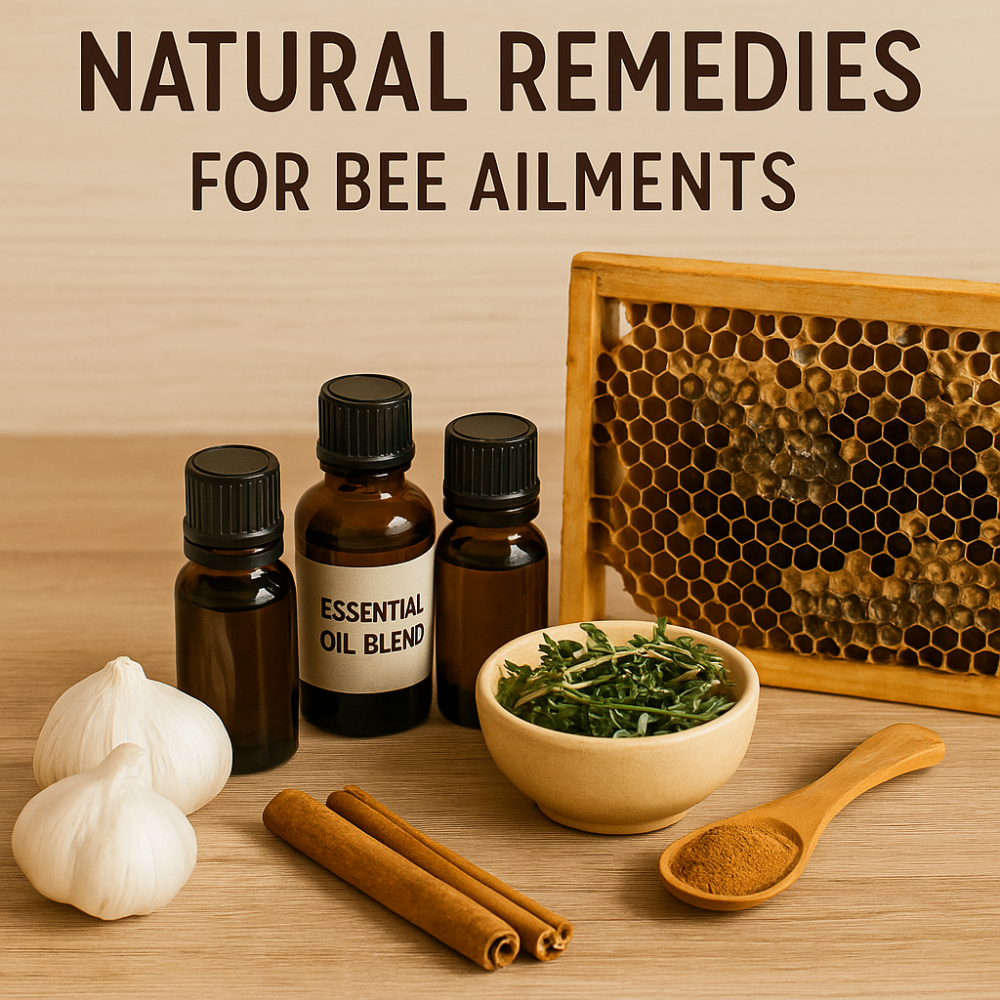
- Essential Oils: Oils like thymol, eucalyptol, and lemongrass have antimicrobial properties that help control parasites and infections.
- Herbal Extracts: Extracts from plants such as garlic or cinnamon can give a boost to the bees’ immune systems.
- Propolis: This resin collected by bees not only seals the hive but also has natural antiseptic properties, making it a powerful defense against diseases.
A Practical Guide to Using Natural Treatments
Once you are familiar with the causes behind bee ailments, the next step is to learn how to apply the natural remedies. During my adventure, I found a few steps particularly useful. It’s all about planning and knowing your options.
- Identify the Problem: Start by diagnosing the issue through careful observation. Determine whether you are dealing with mites, fungi, or nutritional deficits. Knowing what is affecting your hive is the first step to choosing the right remedy.
- Choose the Correct Remedy: Depending on the ailment, select an appropriate natural treatment. For mites, some bee keepers apply essential oil mixtures while others might use herbal dusts.
- Prepare the Application: Follow established natural treatment recipes carefully. Many recipes are available in beekeeping forums and books. I always record the measurements and instructions for consistency in treatment.
- Monitor the Results: After applying a remedy, watch for any changes in bee behavior and overall hive health. It often takes a few days to notice improvements.
- Adjust as Needed: If the problem persists, consider switching the remedy or combining treatments. Sometimes, a seasonal adjustment can make all the difference in the hive’s recovery.
Following these steps helps ensure that natural remedies provide the supportive care that bees need without undue stress on the colony.
Considerations Before Using Natural Remedies
Before using any natural remedies, there are a few factors you should consider. I’ve learned that being well-prepared helps prevent unintended side effects on the colony. Here are some considerations to keep in mind:
- Quality of Ingredients: It is essential to source high-quality natural ingredients. Poor quality extracts or oils might cause more harm than good.
- Correct Dosage: Using too little might not be effective, while too much could stress the bees. I always recommend checking dosage guidelines from reliable beekeeping resources.
- Environmental Impact: Some natural remedies can change the microenvironment inside the hive. It is important to consider how these changes might affect the bees, especially during different seasons.
- Consulting with Experts: I often reach out to fellow beekeepers or check in with verified sources before trying a new remedy. Their experiences can guide you in making informed decisions.
Quality of Natural Extracts
When it comes to essential oils or herbal extracts, the quality can greatly influence the effectiveness of the remedy. I always recommend buying from reputable suppliers who ensure their products are pure and suitable for use in beekeeping. Testing a small amount before full application helps confirm that the remedy is safe for your bees.
Application Methods
There’s more than one way to administer natural treatments. Some beekeepers use fumigation techniques, while others prefer direct application, like sprinkling a herbal dust over the frames. Experimenting with different methods, while keeping notes on what works, can increase the success rate in natural bee treatments.
Impact on Bee Behavior
It is important to note that some natural remedies might temporarily alter bee behavior. For example, applying certain essential oils might cause bees to become less active as they process the treatment. I always advise monitoring your colony closely during the treatment period and reviewing any unusual behavior with caution.
Seasonal Considerations
Bee colonies have natural cycles linked to the seasons. Timing treatments to coincide with these cycles makes a difference in how effective a remedy is. I’ve noticed that applying natural remedies during the mild seasons, when the bees are more active, tends to yield better results.
Overall, these considerations are pretty useful when you’re working with natural remedies. They help ensure that the treatment does more good than harm and supports the bees’ natural resilience.
Advanced Natural Techniques for Bee Health
If you’re comfortable with the basic natural treatments, you might consider exploring more advanced techniques to further support bee health. Some beekeepers have found success by integrating multiple methods. These advanced tips are things that I have incorporated over time.
Herbal Blends: Using mixtures of various herbal extracts can sometimes address multiple issues at once. For example, combining thyme with garlic extracts can improve both pest resistance and give a boost to overall immunity within the hive. Experimentation with different combinations is encouraged as long as the ingredients are safe for bees.
Probiotic Supplements: Probiotics can help support a healthy gut in bees, which is key to overall well-being. By adding a probiotic supplement to the bees’ feed, the colony may see an increase in their natural resilience against diseases.
Fermentation Processes: Some bee keepers have explored fermented extracts as a means to naturally boost bee immunity. Fermented products can be rich in beneficial microorganisms and enzymes that support the bees’ health.
Environmental Adjustments: Creating a more natural foraging environment by planting bee-friendly plants and reducing chemical exposures is beneficial. I have seen bees thrive when the surrounding environment gives a boost to their nutritional intake, reducing vulnerability to various ailments.
Exploring advanced techniques takes time and careful observation. It is important to record your experiences and adjust your practices as the needs of your colony change.
Essential Practices: Maintaining a Healthy Bee Colony
Keeping bees healthy involves more than just treating acute ailments. Preventative measures play a big role in maintaining robust colonies. I have found that some everyday practices really form the backbone of good beekeeping.
Firstly, regular hive inspections are a must. They let you catch early signs of a problem. When I inspect my hives, I check for brood patterns, cleanliness, and overall vigor of the bees. Taking a few moments each week can reveal even minor issues before they grow bigger.
Another practice I follow is ensuring that the bees have a balanced diet. Supplementing the bees’ natural forage with sugar syrups or pollen substitutes in lean times helps prevent nutritional deficiencies. Providing a variety of natural foods reduces the need for chemical interventions.
Finally, maintaining a hygienic environment around the hive is useful. Removing old combs, replacing them periodically, and keeping the hives well-ventilated promotes better health. Natural treatments also work best in clean, well-maintained hives, so prevention is pretty much the best remedy.
- Regular Inspections: Stay ahead by checking hive conditions routinely for any abnormal behavior or signs of stress.
- Balanced Nutrition: Offer a variety of natural supplements when the bees’ foraging options are limited.
- Cleanliness: Keeping the hive environment clean supports overall health and optimizes the effectiveness of any treatment applied.
Frequently Asked Questions
Many beekeepers often have the same questions when exploring natural remedies. Here, I share answers to a few common queries that I’ve encountered over time.
Question: What natural remedy should I use for varroa mites?
Answer: Many hive keepers, including myself, have found that essential oil blends containing thymol and lemongrass work well. Applying these as a fumigation treatment or mixing them with a carrier oil are popular methods. However, it is important to adjust the dosage carefully to avoid stressing the bees.
Question: How can I tell if my bees are responding well to a natural treatment?
Answer: Observing changes in hive activity, brood pattern improvements, and a drop in visible parasite loads are good indicators. I often monitor my hives for changes over a few days after treatment. Consistency is key when using natural remedies.
Question: Are there any risks associated with these natural treatments?
Answer: While natural remedies are generally gentler than synthetic chemicals, using poor quality ingredients or incorrect dosages can still cause stress. Consulting trusted beekeeping resources and experienced peers is an effective way to ease up these risks.
Conclusion
Using natural remedies for bee ailments offers a path that respects the natural resilience of bee colonies. I have seen firsthand how effective these treatments can be when applied with careful observation and consistency. From diagnosing early warning signs to experimenting with herbal blends and essential oils, natural remedies provide an adaptable solution for a range of common bee issues.
Maintaining a healthy bee colony often means embracing a holistic approach. This involves routine checks, balanced nutrition, and a focus on natural restorative practices. It feels really rewarding to see a hive overcome an ailment naturally, knowing that the bees are thriving in an environment that mirrors their natural habitat.
Exploring natural remedies for bee ailments might require a bit of trial and error, but the benefits are clear. Over time, careful observation, expert consultation, and continuous learning shape a sustainable beekeeping practice that honors nature. I encourage fellow beekeepers to try these methods and share their experiences, contributing to a community that values natural harmony and bee well-being.
May your endeavors in beekeeping be filled with learning, steady progress, and a deep connection to nature as you support the health of your bees with these natural remedies.
Extra Insights on Bee Care
Beyond the methods described above, there are additional insights that can help further refine your beekeeping practices. Many beekeepers have discovered that a proactive approach to hive management can save a great deal of time and stress. For instance, periodically updating your knowledge by reading recent research articles or joining local beekeeping groups can offer innovative ideas that complement traditional methods.
Paying attention to local flora and seasonal patterns can prove very important in ensuring that your bees have access to the right types of pollen and nectar. This extra layer of care, paired with documented observations of your hives, can help fine-tune treatments and prevent unforeseen challenges. Over time, a blend of hands-on experience and community advice paves the way for continuous improvement in bee health management.
Remember that every hive is unique. Customized care based on the specific conditions of your apiary can lead to more robust colonies. Keep experimenting with small changes, and always document your results so you can build a reference guide tailored to your local environment. This can make your overall beekeeping practice even more rewarding and sustainable.
Clarifying Questions:
Which specific bee ailments are being addressed?
Are we focusing on issues like varroa mites, fungal infections, deformed wing virus, or nutritional deficiencies? Clear definitions will help guide the remedies suggested.
What scientific evidence supports these natural remedies?
It would be valuable to know if these methods are backed by studies, traditional beekeeping practices, or anecdotal experience.
How do these natural remedies compare to conventional treatments in terms of effectiveness and safety?
This could add depth, showing readers both the pros and limitations of natural approaches.
Are there specific environmental conditions or bee species that affect the success of these remedies?
Certain remedies might work better in different climates or with specific bee breeds.
Are there any potential risks or side effects of using these natural remedies?
Natural doesn’t always mean harmless — understanding possible drawbacks helps beekeepers make better decisions.
Constructive Comments:
“It would be helpful if the article included specific recipes, dosages, or application methods for each remedy mentioned.”
This makes it practical for readers to implement what they learn.
“Consider adding real-life case studies or testimonials from experienced beekeepers who have successfully used these natural methods.”
Stories and examples would build trust and interest.
“The article might benefit from a section discussing how to integrate natural remedies into a broader bee health management plan, rather than relying on them alone.”
This helps contextualize natural remedies within holistic beekeeping.
“Clarifying which remedies are preventive versus those that treat existing ailments could make the advice more actionable.”
Hi AJnaval!
Thank you for this thoughtful and constructive feedback—it raises essential questions that could greatly enrich the discussion on natural bee remedies. You’re absolutely right: clearly identifying which ailments are being addressed and under what conditions these remedies are most effective would give the topic more depth. Including scientific support and traditional knowledge side by side can bridge credibility and practice. I especially appreciate the suggestion to differentiate between preventive and treatment strategies—it adds practical clarity. Integrating case studies and dosage guidelines would indeed make the information more actionable and trustworthy for beekeepers at all levels.
/Mats