
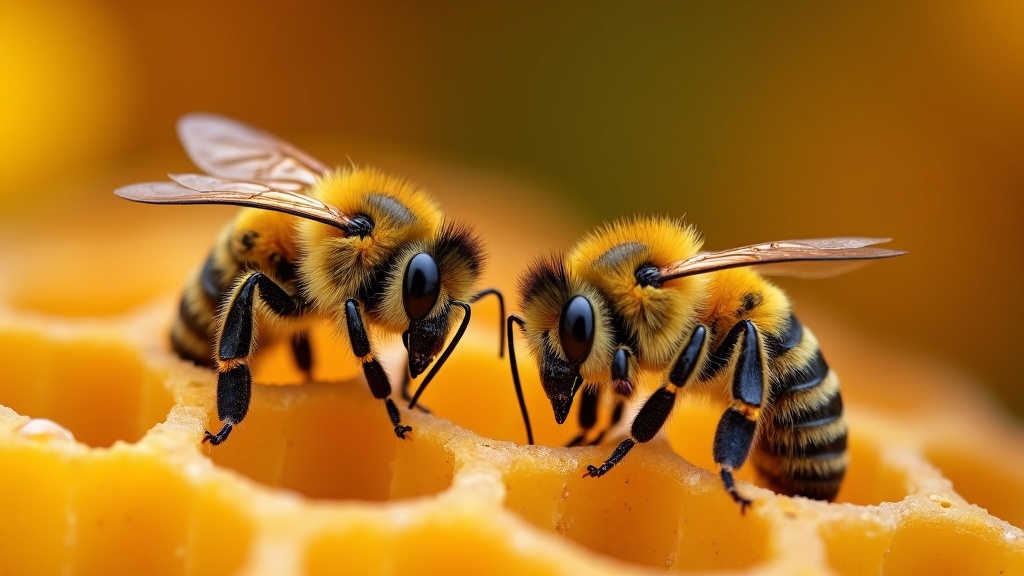
Choosing the right honey bee subspecies can really shape your beekeeping experience. Two of the most talked-about types are Italian bees (Apis mellifera ligustica) and Carniolan bees (Apis mellifera carnica). Both are popular with backyard and commercial beekeepers, but there are some pretty clear differences in behavior, productivity, and hardiness that are worth looking at.
Italian bees are well known for their gentle nature, consistent productivity, and classic golden coloring. Carniolan bees, meanwhile, are loved for their calm attitude, thrifty use of winter stores, and ability to handle cooler climates. If you want to make the best choice for your hive—and your local environment—here’s a super detailed side by side comparison.
Meet the Bees
Italian Bees (Apis mellifera ligustica)
Italian bees originally come from the Italian peninsula. They have a vibrant golden yellow look and tend to be very active foragers. I’ve found that Italian bees are especially popular for their high honey production and even temperament, making them a top choice for beginners and experienced beekeepers alike.
Top Qualities of Italian Bees
- Bright golden color with gentle stripes
- Consistent brood production leading to large populations
- Very active foraging, even on less than ideal days
- Adapt best to warm and mild climates
- Moderate to high swarming tendency
Carniolan Bees (Apis mellifera carnica)
Carniolan bees originated from the Balkan region, mostly Slovenia and parts of Austria. They’re darker in color, often gray or brown, and are especially admired for being calm and easy to handle. I find they really stand out for their winter resilience and resourcefulness when it comes to managing food stores.
Top Qualities of Carniolan Bees
- Darker appearance, usually gray or brown bands
- Low swarming tendency compared to Italians
- Very gentle, some say the calmest honey bee breed available
- Great at surviving cold winters
- Efficient managers of food stores
Side by Side Feature Comparison
Temperament & Ease of Handling
I’ve always found both breeds pretty gentle, but Carniolan bees tend to be even calmer. Italian bees are easy to manage but can get defensive during nectar shortages or when you’re inspecting the hive too often. Carniolans usually remain docile, almost unfazed even with hive checks. So if you’re a new beekeeper worried about aggressive bees, Carniolans might be a smoother ride.
Brood Production & Colony Growth
Italian bees are super productive, often keeping a big brood nest all season long. This means giant populations that can really rack up honey production if the forage is available. On the flip side, Carniolans have a more controlled approach. Their brood production explodes in spring, but they dial it back as the season shifts. So they’re less likely to overpopulate when resources get tight.
Honey Production & Foraging Habits
Italians are hard workers and will keep bringing pollen and nectar back as long as flowers are out. They forage over wide areas and rarely slow down, which gives them a reputation for great honey yields, especially in regions with long, warm seasons. Carniolans are also great honey producers, and they’re super efficient. A cool thing I’ve noticed is that they keep working even in cooler or cloudier weather, so they really shine where summers aren’t blazing hot.
Besides, some beekeepers have observed that Italian bees can push themselves harder during flow periods, so if you’re looking for aggressive honey-gatherers, they’re a solid pick. However, Carniolans are more conservative with their energy use, which means they will keep their populations at a sustainable level when times are lean. This behavior can make them more reliable in areas where there’s plenty of rain, sudden weather changes, or unpredictable nectar flows.
Swarming Tendency
Swarming isn’t always bad. But if you’re hoping to keep all your bees in one place, the higher swarming urge in Italians can be a headache. You’ll need to be ready for extra hive management during peak season. Carniolans are less likely to swarm, especially if you give them space and monitor their growth. So they’re a bit more forgiving for folks who don’t want to split hives all the time.
Still, with Carniolans, that early spring burst of population can catch you off guard if you’re not staying sharp. Giving both types of bees enough space and keeping an eye out for swarm signs will go a long way.
Winter Hardiness & Food Consumption
Carniolan bees shine in cold climates. They cluster tightly and only use up what they need, so their food stores last longer through winter. Italian bees are less thrifty; they keep a bigger cluster and eat more, so you’ll need to provide plenty of stores or supplemental feeding in colder regions. That’s something I always plan for if I’m running Italian hives further north.
Also, Italian bees might become active earlier in spring, when flowers are just popping, which risks depleting food stores too soon. Carniolans, by comparison, are more patient and cautious. This makes them better suited to harsher climates where winter can hang on until late.
Disease Resistance & Robbing Behavior
Carniolan bees tend to have strong resistance to brood diseases and are generally less prone to robbing. Italian bees, because of their big populations and active foraging style, can sometimes be more eager to rob weaker colonies, which can spread disease. Keeping the apiary tidy and monitoring for pests is helpful no matter what, but Carniolans make things a little easier here.
Climate Adaptability
For warm, consistent climates, Italian bees are a hit. They thrive in regions with long seasons and lots of flowering plants. Carniolans really pull ahead in places where winters get tough or summers are short. Their adaptability to temperature swings and speedy population growth in spring make them perfect for beekeepers further north or in high altitude areas.
Who Should Choose Which Bee?
Italian Bees Are a Good Fit For:
- Beekeepers in warm or mild climates
- Anyone looking for big honey harvests
- Hobbyists and commercial operations alike
- Those who want bees with a golden appearance
Carniolan Bees Are a Good Fit For:
- Colder regions with harsh winters
- Beekeepers who prefer extra gentle hives
- Areas with short bloom periods in spring and early summer
- People looking for bees that stretch their winter food supply
Pros & Cons: Quick Comparison
Italian Bees
Pros:
- Excellent honey producers
- Build up colonies quickly in spring and early summer
- Friendly nature and good for beginners
- Easy to find from most breeders
Cons:
- Not as thrifty with stores, require more winter feeding
- More likely to swarm if you don’t stay on top of management
- Can rob other hives, spreading disease
- Struggle with very cold or long winters
Carniolan Bees
Pros:
- Super gentle temperament, rarely sting or get aggressive
- Efficient foragers, active even in cool or cloudy weather
- Manage food stores wisely, ideal for tough winters
- Low swarming rate compared to Italians
- Good disease resistance, particularly to brood diseases
Cons:
- Can build up numbers too quickly in spring, risking overcrowding
- Darker color makes them a little harder to spot on the comb
- May not keep up with Italians in super warm, long blooming seasons
- Genetic diversity isn’t as broad outside Europe, so buying from a reputable breeder is important
User Experiences & Reputation
- Italian Bees: Most keepers find them easy to start with, and their hustle for honey is a big selling point. The only big downside I hear about is their higher food use in winter and swarming if you aren’t checking regularly.
- Carniolan Bees: Folks love their calmness; many say they make inspecting a hive feel a lot less stressful. They tend to get top marks for cold weather survival and for being forgiving with food reserves, though some mention their spring bust of brood can mean you need to watch for congestion.
Overall Reputation: Both have fans for good reason. Italians are favorite in the sunbelt or for folks chasing honey crops, while Carniolans are top picks anywhere cold or where hive temperament really matters.
Your Best Bet: Decision Guide
If you’re still on the fence, here’s how I like to break it down:
Go with Italian bees if you…
- Live in a place with long, warm summers
- Want a hive that’s consistently busy with big honey crops
- Don’t mind extra work to keep swarming under control
Go with Carniolan bees if you…
- Deal with cold winters or a short spring bloom
- Like bees that don’t need as much fuss over food supplies
- Value super gentle temperament
Final Thoughts
Both Italian and Carniolan bees can really make a hive shine, depending on where you live and how much work you want to put in. Italian bees will keep things humming and foragers will stay busy if you have lots of flowers and soft winters. Carniolan bees tend to make wintering less stressful and hive checks feel easygoing, especially up north or in variable climates.
If you’re just starting out, either breed will serve you well. What makes the bigger difference is learning how your bees respond to your local weather and growing to understand their habits. Just remember, healthy bees, plenty of food, and regular hive checks are more important than subspecies alone.
Do you have experience with either Italian or Carniolan bees? Which one works best in your hive? Share your story in the comments!
Very interesting. This is the first time that I have heard of both Italian Bees and Carniolan Bees. I think if I were a bee keeper I would definitely choose the Carniolan ones as they are gentler and not so aggressive, especially for a beginner.
When you start out, would one purchase the bees required, or go out and Catch them? I am sure it is very hard to find the right varieties if you had to look for them in the wild?
Hi Michel!
Thank you for your thoughtful comment! Yes, Carniolan bees really are a great choice for beginners—gentle, adaptable, and excellent at managing their own colony growth. As for getting bees, most new beekeepers purchase a starter colony from a reputable breeder, either as a nuc (a small working hive) or a package of bees with a queen. Catching wild swarms is possible, but it’s unpredictable and won’t guarantee a specific breed like Italians or Carniolans. Starting with purchased bees gives you known genetics, a healthy queen, and a much smoother first season! Let me know if you want tips on choosing your first hive setup.
/Mats