
Beekeeping is like the unsung hero of the agricultural world. While everyone buzzes about fruits and veggies, bees play a massive role in the pollination process. Having a beehive isn’t just about the golden honey; it’s also about supporting the ecosystem.
Splitting a beehive is an essential skill for beekeepers. It helps manage hive populations and prevents swarming, which can be a headache if you’ve got bees flying off to who knows where. Plus, a well-timed hive split ups your honey production game.
Timing is everything when it comes to hive splitting. The best time to do this is in late spring to early summer when the bee population is peaking. Too early, and your bees might struggle. Too late, and you risk losing them to unfavorable conditions. Patience is your friend here.
You can’t just waltz into hive splitting empty-handed. There are a few tools you absolutely need: a bee suit (safety first, folks), a hive tool, smoker, and a new hive setup. Make sure everything is within arm’s reach before you start. Trust me, you’ll thank yourself later.
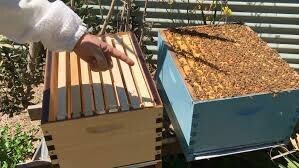
Preparing Your Beehive for Splitting
Getting your beehive ready to split starts with checking up on your colony’s health. A strong, buzzing hive is your green light. If you’re dealing with a weak or unhealthy colony, it’s best to hold off. Those little gals need to be in tip-top shape to handle a split.
- Look for signs that the hive’s getting too crowded. If you see queen cells or lots more bees than usual, it might be time to act. More bees means more work if you’ve only got one hive, and overcrowding can lead to swarming.
- Before you jump into splitting, it’s crucial to scout a spot for your new hive. Whether it’s another corner of your yard or a friend’s place, just make sure the location has good access to forage and isn’t too close to the original hive.
- Your new hive needs to be stocked with essentials: think brood frames, honey, and pollen stores. They’ll need all the help they can get to start strong. They can’t just move into an empty house, right? You wouldn’t either!
Preparing both the old and new hives with these steps sets the stage for a successful transition, easing stress on the bees and on you. Proper prep work now can save heaps of time and hassle down the line.
Step-by-Step Guide to Splitting a Beehive
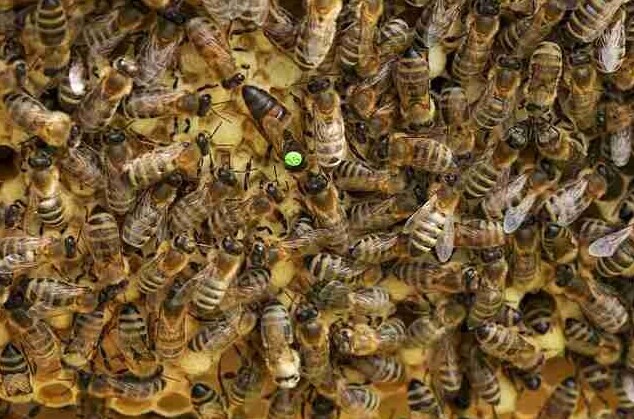
- First things first, locate the queen. This is the most crucial part of the process. Spotting your queen bee in the hive isn’t always a walk in the park, so take your time and be gentle. Once you’ve got eyes on her, keep her in the original hive or move her to the new one, depending on your strategy. One trick here is, to catch the queen or right before installing a new queen, to paint the middlebody with special marking paint.
- Divide the brood frames between the two hives, making sure each gets its fair share of resources. This includes frames with eggs, larvae, and some food storage. Your goal here is balance, ensuring neither hive is left wanting.
- Next up, setting up the new hive. Placement is key – keep it about three feet away from the original or more than three miles if possible. This allows for smooth orientation for the bees when they take their first flights.
- After splitting, keep a close watch on both hives to make sure they’re settling in okay. Pay attention to any signs of distress or unusual behavior like aggressive bee activity or too much hive noise.
Tackle potential challenges head-on. Things can go sideways, like missing queens or robbing from other colonies. Stay calm and prepared to address these hurdles quickly to keep your hives healthy and happy.
Post-split Hive Management and Care
After the split, check that both hives have an accepted queen. You might need to introduce a new queen if one hive ends up without one, using a queen cage to ease her in without causing chaos.
The first few weeks are prime time for monitoring their nutrition. Supplement their diet with sugar syrup if there’s not enough natural forage available. It’s like giving them a little boost until they’re back in full swing.
Pests and diseases love to crash a bee party, so vigilance is key. Regularly inspect for any signs of trouble, like Varroa mites or wax moths, and treat promptly to prevent full-blown infestations.
Plan those inspections like coffee dates, keeping them regular yet spaced out enough to not overly disturb the hive. Frequent checks keep you ahead of any potential issues before they escalate.
Finally, think ahead for seasonal changes and future splits. Give your bees what they need to prepare for winter or any other environmental shifts. Staying proactive makes for a healthy, thriving hive.
This post may contain affiliate links.
Wow very interesting regarding the process of honey making I didn’t realize there were so many different stages to producing honey, this is one very informative stage for producing honey.
I love honey and it doesn’t just come out of a jar thank you for producing this article.
Hi Kevin!
Thank you very much for your comment!
Yes, it’s quite a few steps to making honey! Roughly you can say it’s before, during and after stages with many steps in each stage. Then comes more steges in extracting the honey.
So, please, you’re welcome to find out more as I present new articles.
/Mats
This is such a cool article about splitting beehives! I didn’t know that timing was so important when doing it. I also didn’t know about the moth situation and how it can affect the bees. It’s great to learn how to keep the bees happy and healthy in different environments. I’m really curious about the tools you use—are there any that are best for beginners? I like how you talked about watching the hives after the split to make sure everything is okay. I am still learning every day, and every little step seems to help the bees do well. Thank you for teaching us about beekeeping!
Hi AJ!
Thank you for your kind comments!
Yes, it’s very important to keep a good eye on the hives regulary, especially during spring and early summer when they grew in number and want to expand quite quickly. You write that you’re learning every day, so I asume you have your own apiary? What kind of tool do you have in mind?
I’m glad you want to keep bees because we’re helping the nature and in return we get the reward, the honey.
This is a very interesting article and I thoroughly enjoyed reading it. I had never heard the term “Splitting a beehive” before so it really drew my attention.
The world of beekeeping sounds fascinating and highly rewarding. Also, it’s a very important role in the upkeep of our pollenating friends.
Keep up the excellent work!
Eamon
Hi Eamon!
Thank you for your comments.
I’m happy you found my article interesting about splitting beehive.
/Mats