Bee pollen is a fascinating product that’s gaining popularity far beyond just the beekeeping world. Harvesting and selling bee pollen takes a bit of hands-on know-how, but it can easily become a rewarding sideline or even a main source of income for smallscale beekeepers. Whether you’re curious about how bee pollen is collected, want to add value to your beehive, or just thinking about how to get started in this unique business, I’ll break down the main things you need to know for a smooth and successful harvest and sale.
What Makes Bee Pollen Valuable?
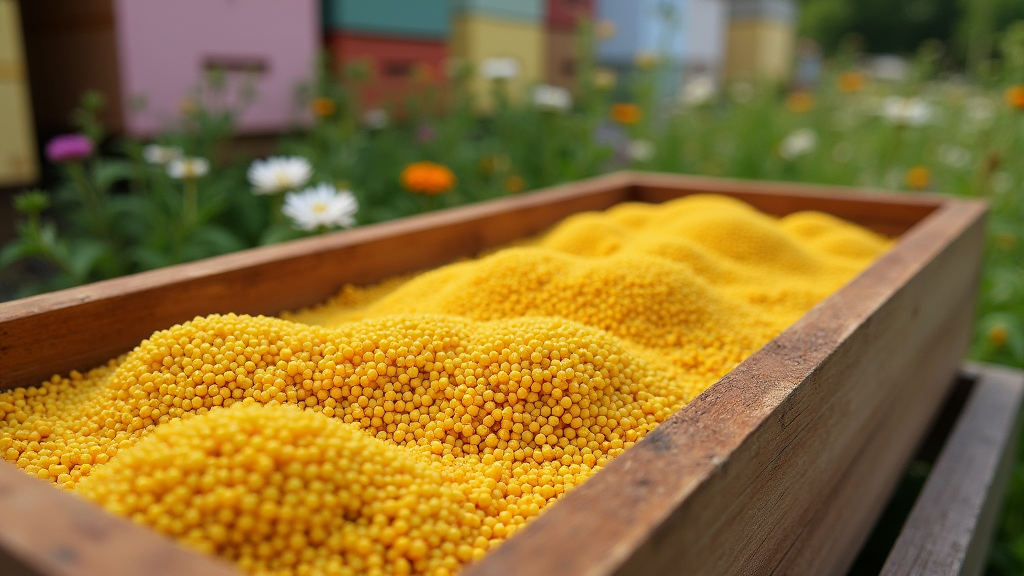
Bee pollen is sometimes described as nature’s multivitamin. It’s actually a mix of flower pollen, nectar, enzymes, honey, wax, and bee secretions. Bees collect pollen to feed their young, but with careful harvesting, beekeepers can snag some of it too without hurting the hive. The nutrition profile is what catches people’s attention. Bee pollen offers proteins, amino acids, vitamins, minerals, and antioxidants, so it’s used as a supplement, in smoothies, and even in skincare.
This rising interest means there’s a strong demand in local health food stores, farmers’ markets, and online. Being able to offer clean, fresh, and well-packaged pollen can really set your products apart. Plus, adding pollen collecting to a beekeeping operation helps mix in some variety to your offerings and support overall hive health. More towns are also opening specialty health shops that stock bee products, making it easier than ever to get your pollen out to new buyers seeking a powerful natural food source.
Setting Up for Bee Pollen Harvesting
Collecting pollen works a little differently than harvesting honey. It relies on special equipment called pollen traps. These are installed at the entrance to the hive so bees have to squeeze through small openings that scrape a bit of the pollen off their hind legs and into a collection tray. The process isn’t complicated, but there are a few things to keep in mind for a healthy hive and the best quality product.
- Pollen Trap Basics: Pollen traps come in different styles and sizes, but most starters use bottommounted ones. These slide in and out easily for harvesting without disturbing the bees.
- Timing: Pollen production booms in spring and summer, syncing up with the local flower bloom. It’s smart to only trap pollen a few days a week so the bees can stock up for themselves.
- Location: Hives placed in areas rich with diverse wildflowers usually collect higher quality pollen that’s more colorful and nutrient rich.
StepByStep Guide to Harvesting Bee Pollen
Once the pollen trap’s in place, harvesting happens pretty regularly. Here’s a simple breakdown for a clean, safe, and efficient routine:
- Install the Trap: Put the pollen trap at the hive’s entrance, ideally when the morning foraging rush begins.
- Monitor Hive Health: Bees always come first. Check that they aren’t stressed or short on pollen inside the hive by inspecting the brood frames and activity levels.
- Collect Pollen Daily: Pollen is best harvested daily or every other day, especially in humid or rainy weather since moisture can make pollen spoil quickly.
- Dry Immediately: Fresh pollen has a high water content and can spoil if not dried. Spread collected granules thinly on a mesh in a wellventilated, dry space away from direct sunlight, or use a dedicated pollen dryer at a low temperature (around 30–40°C).
- Store Carefully: Dried pollen should be stored in airtight containers, ideally in the fridge or freezer to lock in nutrients and prevent mold, pests, or oxidation.
Some beekeepers also freeze their pollen straight after collecting to kill off any potential pests or eggs hiding in the grains. Freezing preserves flavor and nutrition, so it’s a step worth considering if you’re selling to health-conscious buyers. A trick some beekeepers use is to keep a log of when and how much pollen was collected, which helps when checking patterns of bee activity and bloom.
Tips for High Quality Bee Pollen Collection
Freshness, cleanliness, and proper handling are the top three factors buyers look for. Long-time beekeepers suggest a few tricks for keeping pollen packs topnotch:
- Use gloves and clean tools whenever you handle pollen.
- Never leave pollen in the traps too long or it will get wet, ferment, or be raided by ants and beetles.
- Harvest during prime flowering times for a mix of colors and flavor.
- Rotate traps on different hives so no single colony is overharvested.
- Avoid collecting just before or during rainy weather if possible, since damp pollen is much harder to dry and may mold.
When cleaning your equipment, stick with plain water and a mild soap—chemicals can leave behind residues that ruin the pollen’s flavor or even affect bee health.
Potential Challenges and How I Handle Them
Bee pollen collecting sounds simple, but a couple of challenges pop up often. The weather is a big one: rainy or muggy days make drying tougher and pollen can clump or go rancid. Investing in a food-safe dehydrator designed for pollen helps a lot here. Another issue is colony stress. Bees sometimes get cranky if too much pollen is removed, especially during lowbloom periods. In my experience, a careful balance — only setting traps for 3–4 days per week and rotating among colonies — keeps bees happy and productive.
Another challenge is keeping contaminants out. Bee hives attract all sorts of insects, so pollen can be a magnet for tiny beetles, ants, or even stray wax and debris. Sifting before drying and regular cleaning of the trays saves a lot of headaches in the long run. For anyone new to selling, always check if your local area has food safety rules for selling pollen, since some places require handling in a certified kitchen or adding a label with an allergy warning.
Patience is important. You may not get big hauls on your first few tries, but steady practice pays off. Consider joining a local beekeeping club or online group, as fellow keepers often share tips and even offer taste tests to help you tweak your methods for the best results.
Creative Ways to Sell Bee Pollen
Bee pollen isn’t just for supplement enthusiasts. It fits into several popular products and markets, so you’ve got a few options. Here are some methods that I and other local keepers have tried with good results:
- Farmers’ Markets: Offer fresh, local pollen by the jar or in small sample packs, giving folks a chance to see and taste it.
- Health Food Stores: Package pollen in sealed, branded jars for sale at co-ops, wellness shops, or organic grocers.
- Online Platforms: Etsy and other handmade goods sites let you reach a wider audience. Just be prepared to cover shipping and keep pollen cold or well-sealed.
- As an Ingredient: Mix pollen into granola, bars, local honey blends, or skincare products for a unique spin.
Packaging really matters. Clear glass jars with airtight lids look professional and keep pollen fresh. Add a harvest date and source location for that sought-after traceability and local pride. Some folks dehydrate pollen further and powder it for smoothie makers, too. Attractive labels that explain the source and suggest uses can also spark customer interest at markets or in stores.
Questions That Always Come Up
Anyone thinking about harvesting and selling bee pollen almost always asks some version of these questions:
How much pollen will a hive produce?
Depending on floral sources, weather, and hive strength, a healthy colony can provide anywhere from 1 to 5 pounds of pollen per season while still thriving. Some regions with heavy blooms may get even more, but slow collection helps avoid stressing the bees.
Is there a “best” time to collect?
Spring and early summer, right as flowers are at their peak and colony strength is high, is a solid bet. That’s when bee foraging is in high gear. Fall can also see a smaller bloom depending on local plant life, so keep an eye out for any late pollen flow.
How do I know the pollen is dry enough?
Dried pollen should be crumbly and not sticky to the touch. Use a food-grade moisture meter if you want to be extra safe, aiming for under 8% moisture to stop mold or spoilage. If you squeeze some in your fingers and it clumps or feels soft, it’s not quite there yet. Some keepers rely on digital scales: a stable repeatable weight after drying typically means you’ve removed enough water.
Can bee pollen trigger allergies?
It can. People with severe pollen allergies might react to bee pollen, so always label jars. Health food regulations in most areas do expect this warning, and it helps consumers make safe choices.
Bee Pollen Harvesting Gear for Beginners
Getting started doesn’t mean huge expenses or complicated upgrades. Here’s what gets the job done for smallscale operations:
- Pollen Trap: Choose one that fits your hive style. Removable trays are easy to clean.
- Mesh Drying Screens: Stainless steel or foodgrade plastic screens for even drying.
- Airtight Storage: Wide mouth glass jars with sealing lids or zipseal freezer bags.
- Home Dehydrator: Optional, but makes drying easier in humid climates.
None of this gear is hard to track down. Most beekeeping supply stores offer a couple of pollen trap options, and regular kitchen dehydrators do the trick for processing at home. As your skills grow, you can always add in specialized dryers or fancier packaging equipment, but the basics stay the same.
To keep things efficient, set up a designated spot for cleaning and handling pollen, and use dedicated tools so you don’t cross-contaminate with honey or wax from other tasks. Staying organized goes a long way in making this beekeeping venture smooth and low-stress.
Final Thoughts on Harvesting and Selling Bee Pollen
Adding bee pollen harvesting to your apiary offers some fresh opportunities — not just for making products people love, but also for learning more about your bees and their role in the local landscape. It’s rewarding to see customers light up when they try your pollen for the first time or add it to their own recipes. Like any niche business, there’s a learning curve. Taking time to master the basics and focus on quality turns this into a sustainable and enjoyable beekeeping side gig. You get the satisfaction of offering something good for your community while getting a firsthand look at the rhythm of your local environment each season.
Bee pollen fits well into lots of markets, from backyard booths to online shops, as long as you keep up with food safety and give your bees what they need to stay strong. If you’re already keeping bees or ready for a new adventure, gathering and selling pollen could be worth exploring. For those who enjoy a hands-on connection with nature and local food, this is one business that is both rewarding and impactful. Plus, you become the go-to person in your circle for one of nature’s most unique and healthful gifts.
Yo Mats, this article about collecting and selling bee pollen is so cool! I never knew you could make money from it. It’s awesome that it’s like a natural multivitamin, and people are really into it these days.
I love how you explained all the steps to do it right, like using those special pollen traps and making sure to dry it so it doesn’t go bad. And it’s great that you reminded everyone to put the bees first and not take too much pollen so they stay healthy.
It’s crazy to think about all the good stuff packed into those little pollen bits. I bet health-crazy people would totally want to buy fresh, local pollen. Your ideas for packaging it in cute jars with labels about where it’s from are super smart.
This whole thing blew my mind. I had no clue beekeeping could be about more than just honey. It’s exciting to imagine how collecting pollen could be another way to keep bees happy and make some extra cash.
Thanks for sharing this eye-opening article, dude! If you’ve got any other tips about getting into the bee pollen biz, I’m all ears. It sounds like a fun and rewarding thing to try out!
Eric
Hi, Eric!
Thanks for your thoughtful and enthusiastic comment! Bee pollen is definitely an underrated gem in the beekeeping world, and it’s great to see your excitement. You’re absolutely right—putting bee health first is key when harvesting pollen. If you’re thinking of getting into the bee pollen business, start small, research your local regulations, and focus on freshness and traceability—customers love knowing where their pollen comes from. And yes, smart packaging really makes a difference!
/Mats