
Exploring the bustling and intricate world of bees can feel like stepping into a universe where every bee has a unique role to play. The way bees work together to protect and nurture their hive is nothing short of fascinating. Over time, I’ve come to appreciate the delicate balance in their tiny society. In this article, I share insights on how bees defend their community, ensuring their survival amid challenges and threats.
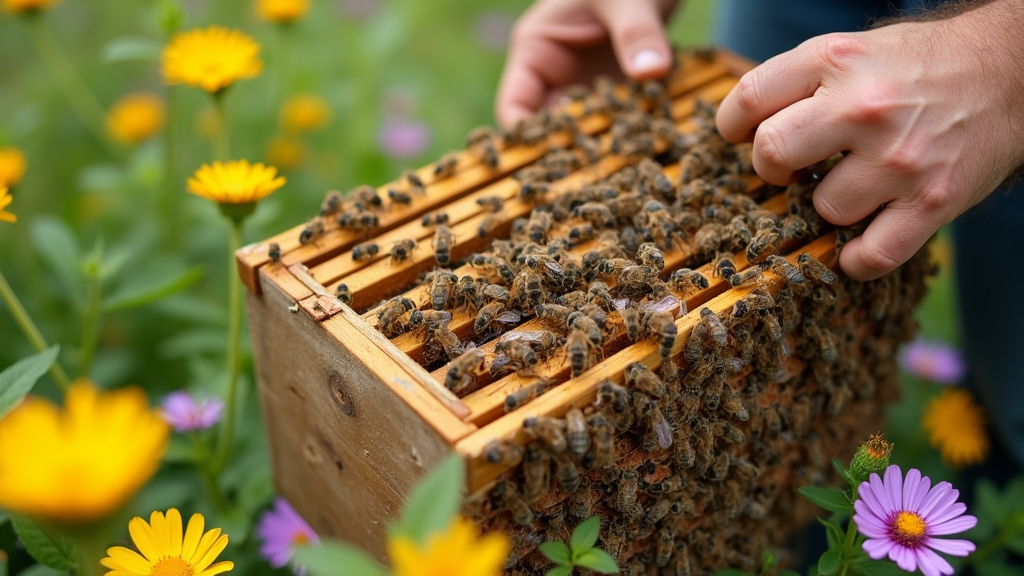
Introduction to Bee Guardians and Their Community
The story of bees is a tale of cooperation and resilience. Bees live in structured societies where thousands of individuals form a thriving community. Each bee has specific duties that contribute to a common goal. They protect the hive, gather food, and raise the next generation. When a threat appears, these bees act swiftly and collectively to guard their home. The intricate dynamics of their interactions show how even the smallest creatures can create large, effective social networks. Their coordinated activities not only secure their immediate environment but also keep the entire ecosystem in balance.
In a world where environmental pressures are ever-changing, bees have evolved unique ways to communicate and organize. They rely on chemical signals, vibrations, and precise movements to alert each other of potential dangers. This system of alerts makes them, in effect, extremely watchful guardians of their community. The impressive defensive measures they use underscore the very important role of every member within the hive. Over time, researchers have come to admire the robust systems of teamwork in these small yet formidable creatures.
Additional studies on bee behavior reveal that their social structure is not only built on instinct but also on a shared commitment to the common good. This sense of duty means that every bee, from the youngest newcomer to the most experienced defender, plays a part in keeping the hive safe and secure. The way they manage internal conflicts, allocate tasks, and respond to external threats serves as a powerful lesson in cooperation and resilience.
Understanding the Hive Hierarchy and Communication
A bee hive functions as a highly organized community where every member has a designated role. At the core of this system is the queen bee, whose primary responsibility is to lay eggs that perpetuate the colony’s legacy. Surrounding her is a dedicated workforce mainly formed by female worker bees. These workers not only gather nectar and pollen but also assume the duty of defending the hive and caring for the young ones.
The communication methods bees use are equally remarkable. They emit pheromones—chemical signals that spread through the air—to alert each other about potential intruders or environmental changes. These signals act like secret messages passing through the community. Additionally, the renowned waggle dance executed by bees serves as another vital form of communication. This unique dance indicates the location of food sources or warns of lurking dangers, allowing the entire hive to quickly adapt to shifting circumstances.
Understanding these communication techniques gives us a window into an all-in-one natural defense system that has been refined over countless generations. Every signal and every subtle movement plays an integral part in how bees ensure the safety and productivity of their hive. Modern studies continue to break down the complexities of these communications, offering insights that may even inspire innovations in human technology and organization.
Bee Defense Tactics: Organizing to Protect the Hive
Once a threat is detected by the hive’s sensory network, defensive strategies quickly come into play. Bees have developed several tactics to protect their home from predators and other dangers. The first line of defense is the rapid mobilization of worker bees that swarm around the intruder. Their coordinated response can overwhelm even the most determined foe.
These worker bees can appear aggressive when defending their territory. As they converge on the threat, they release alarm pheromones that prompt more bees to join the defense. This unified action can confuse or deter predators, making it much harder for any intruder to succeed. It is a remarkable display of community spirit and rapid response in the animal kingdom.
Another interesting behavior is the use of stingers. Not every bee in the hive depends on this tool—only the worker bees deploy them as a last resort when the situation becomes critical. Once a bee stings, it sacrifices a part of itself, which underscores the personal cost involved in protecting the group. Despite this risk, the use of stingers ensures that the hive remains a secure base for both growth and survival.
Beyond direct defense, bees also take proactive steps to maintain the integrity of their environment. They frequently clean and repair their hive, removing debris and sealing gaps that might serve as entry points for pests. This regular upkeep not only prevents infestations but also demonstrates their commitment to keeping the community safe from both immediate and long-term threats.
Challenges Bees Face and Their Solutions
While the organized defense of the hive is impressive, bees encounter several external challenges that test their resilience on a daily basis. Natural predators such as wasps and hornets often pose significant dangers to a well-established colony. Birds and even larger animals sometimes disturb hives in search of honey or larvae. To counter these threats, bees employ both proactive measures and smart reactive responses.
One common challenge is the possibility of hive intrusion by other insects. When an unfamiliar fly or bug hovers near the hive, guard bees increase their alertness and intercept the intruder right at the entrance. This extra layer of security helps make it nearly impossible for a potential predator to quietly slip into the core of the colony.
Another persistent threat comes from harmful mites and parasites. These tiny adversaries are often difficult to spot until they significantly affect the hive’s overall health. Bees combat these pests by engaging in intensive grooming behaviors and applying substances like propolis, a sticky resin gathered from plants. Propolis, aside from sealing unwanted gaps, acts as an antiseptic barrier against microbial threats. By using both physical and chemical methods, bees build multiple layers of protection around the hive.
Temperature regulation also presents a considerable challenge. Extreme weather conditions can weaken the hive’s defenses and disrupt normal activities. To cope, bees cluster together to maintain warmth during cold nights or open up the hive structure to increase ventilation during sweltering days. These environmental adjustments are critical for keeping the inner conditions stable, ensuring that every bee can perform its tasks efficiently.
Below are a few key points that illustrate how bees overcome these challenges. Bees act together in releasing alarm signals that mobilize their forces quickly. They engage in regular grooming and use natural resins to control parasites, maintain the hive structure with constant repairs, and adapt to changing weather conditions by adjusting their clustering and ventilation strategies.
Advanced Observations on Bee Community Defense
When you watch bees in nature, you notice a level of discipline and coordination built on years of evolutionary adaptation. Advanced studies have shown nuances in their protection methods that extend well beyond simple reactive measures. For example, some bees exhibit an impressive ability to position themselves optimally near vulnerable spots such as the hive entrance. This strategic placement ensures that any sign of danger is met with a concentrated, swift response.
Experience plays a very important role in a bee’s defensive actions. Older worker bees often take on more complex responsibilities because they have refined their skills through numerous encounters with threats. This accumulated wisdom is not purely instinctual; it is also passed on to younger bees through observation and participation in early protective duties. This cycle of communal learning guarantees that new generations are equipped to handle emerging challenges while preserving age-old practices that ensure the hive’s security.
Furthermore, there is evidence that bees adjust their defense strategies based on external conditions. For instance, during periods of drought or when resources are scarce, the hive tends to become more defensive. In these situations, bees not only shield against physical threats but also protect vital stores of honey and pollen. Such adaptive behaviors reveal a dynamic management system that blends immediate responses with long-term planning.
The Role of Bee Ecology in the Environment
Bees play a key role not only in their survival but also in supporting broader ecosystems. Their tireless work in pollinating plants has a profound impact on agricultural output and natural plant diversity. When bees work to protect their hive, they are in turn safeguarding the environment that nurtures countless forms of life.
By protecting the queen and ensuring that new bees are successfully raised, the colony maintains a strong and healthy workforce. This continuous cycle of renewal is critical for vigorous pollination, which is vital for the reproduction of many plant species, including those that produce food for humans. The close relationship between bee defense strategies and pollination efforts underscores a natural balance that sustains life on multiple levels.
Farmers and nature conservation advocates alike have started to recognize that supporting bee populations means promoting a healthier ecosystem overall. Many agricultural practices have been adjusted to be more bee-friendly, ensuring that these insect guardians can continue their essential work. In protecting bees, we are indirectly preserving local biodiversity, strengthening natural habitats, and fostering a sustainable future.
Additionally, observing the adaptive techniques of bees offers insights into how nature orchestrates balance. The role of bees goes far beyond just gathering nectar; they serve as indicators of environmental health. A thriving hive is a sign of a well-balanced ecosystem, where each element works together in harmony to support one another.
Frequently Asked Questions
I often get curious questions about bee behavior from people interested in learning more about these remarkable insects. Here are some of the most common inquiries along with detailed responses:
Question: How do bees know when to defend their hive?
Answer: Bees rely on a mix of chemical signals and physical cues. When an intruder is detected, alarm pheromones are released into the air to alert other members of the colony. This system ensures that the defense is swift and well coordinated, allowing the hive to respond immediately to potential threats.
Question: What happens to a bee after it stings?
Answer: A bee that uses its stinger makes a significant sacrifice, as it loses part of itself in the process. This act of selflessness is primarily seen in worker bees, who are willing to give up their lives to ensure the safety of the community. The loss underscores the very important personal cost behind protecting the hive.
Question: Are hives really that vulnerable to external threats?
Answer: Despite their small size, hives are built with many layers of defense. These include coordinated responses, chemical signals, and structural maintenance. Together, these strategies minimize risks and help maintain a secure living space for the bees.
Question: Can the defensive behaviors of bees change with the environment?
Answer: Yes, bees are known to adjust their defense tactics based on environmental conditions. Factors such as weather, food availability, and the presence of predators influence how aggressively the hive is defended. This flexibility is key to the survival of the colony and illustrates the sophisticated nature of their communal strategies.
Final Thoughts
Bees are among nature’s most remarkable architects and guardians. Their ability to protect their community in ways that are both subtle and forceful offers valuable lessons on cooperation and resilience. The hive is more than just a shelter for bees. It is a sophisticated community where each bee plays a vital role in ensuring collective safety and survival.
Studying these incredible creatures gives us a chance to appreciate how even the smallest beings can form vast, intricate societies. The methods bees employ—from precise communication and coordinated defense to continuous maintenance and adaptive responses—demonstrate nature’s next-level cool ingenuity. Every bee, whether a diligent worker or a revered queen, contributes to a system of checks and balances that sustains life both within and beyond the hive.
It isn’t just about the honey or the daily buzz; it is about the remarkable process of teamwork and dedication that each bee exemplifies. Their actions remind us that every living creature, no matter how small, has an important part to play in the circle of life. Observing bees in their natural habitat provides us with a glimpse into a world where survival depends on community and careful planning.
The next time you see a buzzing hive, take a moment to appreciate the effort and strategy behind every movement. Recognize that each bee is a guardian, ensuring not only its own survival but also supporting the broader ecosystem. In protecting these tiny heroes and their intricate world, we contribute to a healthier, more sustainable future for all.
This article truly invites a moment of reflection. It’s fascinating to see how bees, in their tiny yet intricate world, demonstrate the power of collective effort and selfless sacrifice. Their method of communicating threats and coordinating defenses through subtle signals is a poignant reminder that every role, no matter how small, contributes to a larger, resilient community. Observing these natural guardians makes you ponder the value of teamwork and the importance of each individual’s contribution not only in nature but also in our own lives. I will say, it challenges us to consider how we can harness such unity and purpose to build stronger, more supportive communities around us.
Hi Dan!
Beautifully said! Bees are a true testament to the strength of collaboration, where every member plays a vital role in the hive’s success. Their ability to communicate, adapt, and protect one another is something we can all learn from. In human communities, fostering teamwork and shared purpose can lead to incredible resilience and growth. How do you think we can apply these lessons from bees to strengthen our own connections and support networks?
/Mats