Building a honey brand goes way further than just filling jars and putting labels on them. There’s a whole process involved, from understanding where your honey comes from, all the way to how you share it with the world. A solid honey brand can help you stand out in a crowded market and build real loyalty among folks who care about what they eat. In this guide, you’ll get the steps and practical info you need to create a standout honey brand, whether you’re just starting or looking to set your product apart.
Why Build a Honey Brand?
Honey is a product that feels timeless yet always fresh, so it has loads of potential for branding. Beekeepers and honey makers can charge more and attract passionate customers when they build a recognizable brand around their honey. With growing demand for natural, local, and craft food products, having a real brand helps you get in on the market and go up against grocery store honey, which often hides where it comes from.
Having a brand means people remember you. Shoppers care more than ever about how their food is made, if it’s raw, organic, or local. By sharing your honey’s story, you offer something unique. Some folks want honey to support local pollinators, while others just want a tasty, raw treat. Whether you plan to sell at farmers markets, online, or to local shops, a real brand pulls people back for more.
Getting Started: The Basics of a Honey Brand
A honey brand isn’t just about what’s inside the jar. It’s about knowing your product, your values, and your potential customers. Here’s what gets the ball rolling:
- Know Your Product: Not all honey is the same. Different sources—wildflower, orange blossom, clover—offer their own flavors and colors. Knowing what makes yours special is key for telling your story.
- Define Your Mission: Are you focused on sustainability? Supporting local bees? Offering organic honey? A clear reason for what you do helps build an authentic brand.
- Find Your Audience: Some people buy local honey for allergies, while others want a gourmet option for tea and baking. Decide who you’re talking to and make sure you shine a light on what they care about most.
Get these basics right and every decision after becomes much easier. Your brand’s identity, the message you share, and the products you make all flow from this solid foundation.
Quick Guide for Launching Your Honey Brand
Turning ideas into action can seem tough at first, but mapping out the process helps. Here’s a practical guide for launching your honey brand:
- Source or Produce Quality Honey: If you’re a beekeeper, focus on healthy hives and careful harvesting. If buying from nearby beekeepers, make sure their practices fit your standards.
- Choose a Name and Design: You want a catchy yet meaningful name, plus a logo and label that reflect your values and look professional.
- Package It Well: The jar really counts. Glass jars, squeezable bottles, or even reusable containers each tell a piece of your brand’s story and set how customers think of your honey.
- Get Legal: Food sales come with rules. Look into food handling, labeling, and any cottage food laws in your area—double-check all requirements.
- Pick Sales Channels: Farmers markets, stores, or your own website—pick what fits and get your honey into customers’ hands.
- Share Your Story: Use websites, packaging, and social media to talk about your bees, the process, or anything else that makes your honey shine.
Planning out each step and staying organized gives your brand a strong foundation, no matter the size of your operation.
Things to Consider Before Investing in a Honey Brand
It’s exciting to launch a honey label, but going in prepared saves lots of headaches. Here are some things you might hit and how to handle them:
- Consistency and Quality: Taste, color, and clarity might change with the seasons. Folks like predictability, so keep notes about your honey and think about blending if you want a more even product year-round.
- Legal Requirements: Honest labeling is super important. Always list ingredients, weight, and place of origin. Check in with your local health department or agricultural extension office to double-check you’re covered.
- Packing and Shipping: Honey jars are heavy and can leak if not packed right. Try out your packaging and shipping methods to prevent sticky messes for your customers.
- Marketing Costs: Branding, setting up a website, and packaging all add up. Do your research and budget carefully so you don’t get in over your head early on.
Quality Control
Honey can crystallize, get cloudy, or taste different batch to batch. Keeping your product awesome means storing it in a cool, dry place and following best practices. Set up a process for sorting and testing your honey before jarring to make sure you build trust and keep your customers happy.
Labeling Laws
Your labels need to have net weight, the type of flowers the honey comes from (if you’re claiming one), and contact info. Selling through stores may also mean nutrition facts and ingredient declarations are required by law. Forgetting these can mean trouble with regulators or upset buyers, so get it right from the start.
Environmental Factors
Bee health and weather play a big role in honey supply. Disease, drought, or pesticides can cut down your harvest or change the honey’s quality. Keep a close watch on your hives—or know your suppliers well—so you can answer questions honestly if supply drops.
Thinking ahead about these challenges makes it easier as your brand grows over time.
Tips for Making Your Honey Brand Stand Out
With so many honey brands out there, creativity is key to standing out. Here are several ways to give your brand a boost and keep folks coming back:
- Source Specialty Flavors: Single-flower honeys, like lavender or orange blossom, are trending with foodies. If your hives are near interesting blooms, highlight those unique tastes.
- Ecofriendly Practices: Showing you care about bees and the planet attracts loyal customers. Talk about how you avoid pesticides, encourage local blooms, or use sustainable packaging solutions.
- Creative Packaging: Eye-catching jars, wax seals, or hand-tied tags make your honey pop on a shelf and make it a perfect gift. Standout packaging keeps buyers thinking of you next time they’re shopping.
- Share Educational Content: Blog posts, stories, or email tips on honey recipes, pollinator health, and beekeeping give people more reasons to stay connected.
- Host Tastings or Classes: Hosting local events or bee education classes introduces new people to your honey and helps spread the word in your community.
Bringing that extra touch—whether it’s in how you harvest, the flavors you offer, or tips on using honey—helps your honey stand out from the crowd.
Types of Honey and Their Uses
Knowing different honeys and what makes each one great can help shape your brand and what you share with customers. Here are a few favorites:
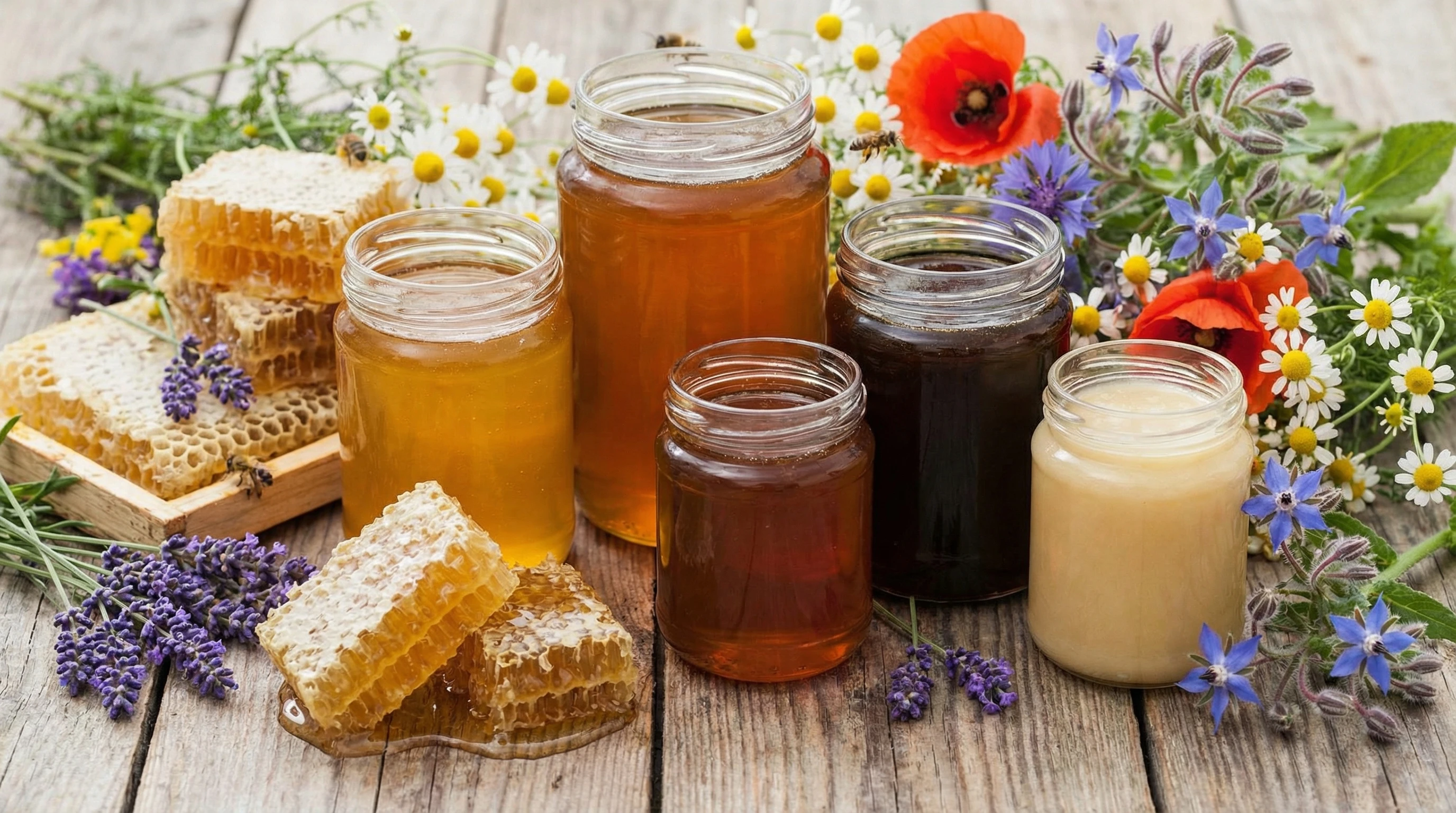
- Wildflower Honey: Floral and complex, this versatile honey is good for general use or drizzling over toast.
- Clover Honey: Mild and sweet, perfect in tea or for those who want something classic.
- Manuka Honey: Famous for its taste and possible health perks. It’s pricier and often aimed at wellness-minded shoppers.
- Orange Blossom Honey: Light with a citrus twist, it works well in desserts or breakfast foods.
- Buckwheat Honey: Dark and rich, with a malty flavor. It’s great in marinades or baking when you want bolder taste.
By teaching customers about the various honey types, pairing ideas, or why raw honey outshines the store stuff, you turn your offerings into an experience instead of just a product.
Frequently Asked Questions
People usually have a ton of questions about honey, especially when shopping local or seeking unique flavors. Here are some of the top ones I hear and simple answers that help clear things up:
Q: How can I tell if honey is pure?
A: Read the label and make sure “honey” is the only ingredient. Seeing crystallization is a good sign it’s real—just warm it gently and it’ll go back to liquid.
Q: Is raw honey better than regular honey?
A: Raw honey isn’t heated and is only lightly filtered, so it hangs onto more natural enzymes and flavor. Many people love it for that, but quality matters more than any label—always know where your honey comes from.
Q: How should I store my honey?
A: Keep it in a cool, dry spot away from sunlight, tightly sealed. Honey doesn’t spoil when stored right.
Q: What’s the best way to market my honey brand?
A: Get involved in your area—farmers markets, food festivals, and teaming up with local grocers work great. Share photos, your process, and customer stories on social media to get people interested and coming back.
Final Thoughts
A successful honey brand grows just like a bee colony—slowly, steadily, and with lots of attention. Focusing on quality, telling your story, and making real connections with customers puts you on track for long-term success. Start with a clear idea of your brand’s promise, stay honest, and keep your honey and packaging interesting so folks look forward to coming back for more.
Launching a honey brand takes a good amount of time and effort, but if you stick with it and care for the details, it can pay off for you, your bees, and your community alike.
Mats, your focus on transitioning the hive’s ‘story’ into a brand’s mission is spot on. Many beginners forget that the physical jar is just the vessel, but the buyer is really purchasing the ‘ecosystem’—your focus on sustainability and educational content creates that deeper connection.
Quick question for you: You mentioned blending honey for consistency. From a branding perspective, have you found that customers prefer a ‘consistent signature taste’ year-round, or do they value the seasonal ‘vintage’ shifts in color and clarity that come with raw wildflower honey?
Hi Jake!
Thank you—that means a lot! You’re absolutely right: when people buy local honey, they’re really buying into the story behind it, not just the sweetness inside the jar.
As for blending, I’ve noticed there are two distinct types of customers:
Many enjoy a consistent, signature flavor because it feels familiar and dependable—great for building a recognizable brand. But there’s a growing group who love the natural “vintage” shifts in raw wildflower honey. They see the changing colors and flavors as proof of authenticity and seasonal diversity.
Both approaches work—it really depends on whether your brand leans more toward consistency or celebrating nature’s spontaneity.
/Mats