
Honey bees have a crucial part to play in both nature and agriculture. They’re not just about honey; their main claim to fame is as pollinators that help crops and wild plants flourish, which in turn sustains entire ecosystems. If you’re curious about the different types of honey bees out there, you’re in good company—there are actually lots of unique species and subspecies, each with its own character, strengths, and quirks. I’ve gathered an all-in-one look at popular and lesser-known honey bee species so you can get to know these tiny, hardworking insects even better.
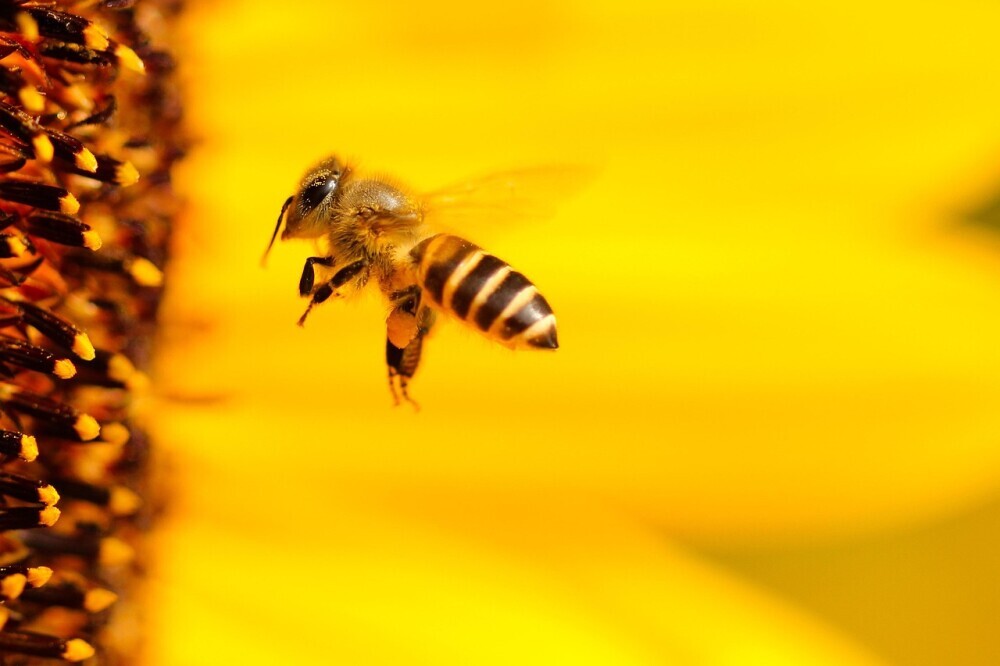
Carniolan Bee (Apis mellifera carnica)
The Carniolan bee is a popular choice among beekeepers, especially in Europe. With roots in Slovenia and neighboring regions, these bees are known for being really gentle and easy to handle, which makes them a solid option for beginners.
Aside from their mellow nature, Carniolan bees are excellent at handling cold climates. They build strong populations quickly in the spring and are great at saving food during hard times. Their resistance to many common bee diseases also makes them a sustainable pick for beekeeping.
Italian Bee (Apis mellifera ligustica)
The Italian bee is probably the most widespread honey bee you’ll come across. You’ll spot them in hives throughout North America, Australia, and Europe. Their golden yellow color and friendly behavior make them easy to identify and enjoyable to work with.
Italian bees shine in honey production, building large colonies and working steadily through the summer months. While they don’t fare as well in colder or wetter climates and need plenty of winter food, their energy and output usually make up for these needs.
German Bee (Apis mellifera mellifera)
For those into more traditional beekeeping, German bees are worth taking a closer look at. Often called the European dark bee, their rich coloring stands out from other honey bees.
These bees have thrived in northern and western Europe for centuries, showing strong survival skills during long, cold winters and a sturdy resistance to disease. They’re known for being a bit more defensive, so working with them is easier if you already have some experience with bees.
Caucasian Bee (Apis mellifera caucasica)
Caucasian bees hail from the Caucasus Mountains, bridging Eastern Europe and Western Asia. They famously have a silvery-grey appearance and gentle disposition. These bees produce a good amount of propolis, the sticky resin used to seal hive cracks and keep things nice and clean—essential for hive health.
Caucasian bees handle cool, damp climates with ease, and their unusually long tongues let them feed from flowers other bees can’t access. While their spring colony growth is a little slower, they provide steady productivity under the right conditions.
Russian Bee (Apis mellifera, Russian stock)
Russian bees are a more recent arrival for beekeepers outside of Russia. Initially brought to the US to see if they were better at resisting parasites, these bees have shown promising results. Their natural toughness when dealing with Varroa and tracheal mites is a big advantage for anyone tending hives.
These bees ramp up their populations when nectar is plentiful and slow down when it’s scarce, so their numbers change with the seasons. While usually gentle, their personalities can be influenced by local conditions, so their behavior can vary.
Buckfast Bee
The Buckfast bee is the result of careful breeding at Buckfast Abbey in the UK, creating a custom mix of several honey bee strains. Their breeders wanted to create bees that resist disease, weather, and still work hard in tough times.
Buckfast bees are celebrated for being calm, manageable, and seriously productive when it comes to honey. Their diverse background gives them extra strength when dealing with difficult weather or sickness, making them popular in both backyard and commercial beekeeping circles.
Giant Honey Bee (Apis dorsata)
If you ever spot a huge colony sprawling openly on a tree branch somewhere in Southeast Asia, that’s likely Apis dorsata, the giant honey bee. These aren’t your standard hive dwellers; they make exposed combs that hang in the open air.
While not kept commercially, giant honey bees are still significant pollinators. Their size is impressive—up to 20 millimeters long—and their colonies can be intensely defensive. People in their native range sometimes harvest honey from wild nests using traditional skills, even today.
Saharan Honeybee (Apis mellifera sahariensis)
Some bees thrive against all odds, and Saharan honeybees prove it. These insects have adapted to the harsh, dry world of the Sahara Desert and its surroundings.
Saharan honeybees are true survivors, able to manage intense heat, drought, and limited food. They forage during the scalding summer, supporting the fragile ecosystems and participating in local honey hunting traditions. Nature’s influence is especially clear when looking at how these bees have been shaped to fit their extreme environment.
Africanized Honey Bee (Apis mellifera scutellata hybrid)
Africanized honey bees, sometimes nicknamed “killer bees,” have stirred up fear—but they’re essentially a hybrid of African and European bees. They spread throughout South and Central America, and have reached southern parts of the US.
These bees are extremely defensive and guard their hives with determination. Yet, they’re top-notch pollinators and survive harsh droughts and pests better than many other bees. Skilled management is necessary for Africanized bees, but their benefits to agriculture and pollination shouldn’t be overlooked.
Eastern Honeybee (Apis cerana)
Apis cerana, or Eastern honey bee, is widespread in Asia, from India and China to Japan and Southeast Asia. Unlike European honey bees, they’re a separate species—yet they also produce honey, wax, and do essential pollination work.
Eastern honey bees resist local pests and diseases remarkably well, especially against the dreaded Varroa mite. They’re smaller, establish more compact colonies, and cover shorter flight distances, but thrive in the places they call home thanks to these helpful adaptations.
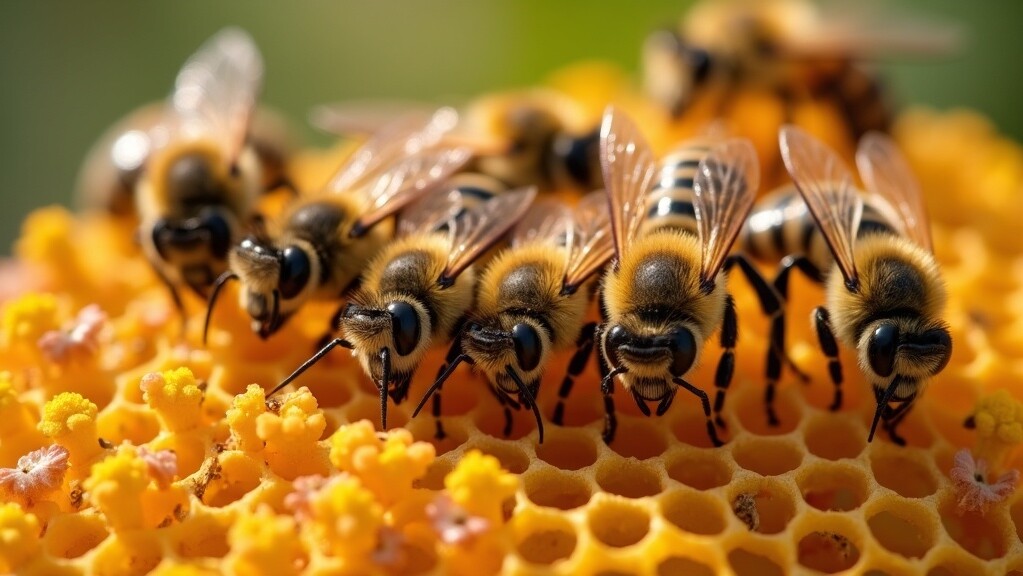
Understanding Honeybee Behavior
No matter the species, honey bees exhibit some super interesting behaviors. Organized into colonies with a single queen, thousands of workers, and a few hundred drones, they show impressive cooperation. The workers split up their roles: cleaning, creating wax, feeding young bees, guarding the hive, and gathering nectar and pollen.
Jobs are shared as bees age, and their communication is nothing short of fascinating. Between different dances and scent signals called pheromones, they pass on vital information. The world-famous waggle dance is especially cool—a forager bee can show her sisters where the best flowers are just by shaking her body in a certain way!
Threats to Different Bee Species
Each honey bee species deals with its own set of problems, and keeping these little pollinators healthy takes commitment from both beekeepers and everyday people. Whether threats are new or old, they can seriously damage bee populations without proper action.
Pesticide Exposure
Many farms use chemicals to protect their crops, but unfortunately, these pesticides can harm honey bees, even in tiny amounts. Risks include messing with bee navigation, weakening their immune responses, and, in the worst cases, causing colonies to collapse. Planting wildflowers and using less bee-toxic pest controls near crops can help give bees safe sources of food and lower harmful exposure.
Habitat Loss
Urban expansion and farming often mean fewer wildflowers and less natural land for bees. This reduces foraging options and makes colony life difficult, especially for wild bees. Creating pollinator gardens, planting native flowers, and maintaining hedgerows or forest patches are practical ways to help bee populations recover and thrive.
Diseases and Pests
Varroa mites, tracheal mites, and small hive beetles are just some of the enemies bees have to contend with. These pests can bring down colonies quickly if left unchecked, and diseases like Nosema or various bee viruses can spread fast in crowded hives. Regular checks, keeping things clean, and having mite-resistant bees are proven methods to keep them at bay.
Frequently Asked Questions About Honey Bees
Lots of folks—beekeepers and bee fans alike—come to me with questions about honey bees. Here are a few of the top queries:
Question: Which honey bee species is best for beginners?
Answer: Generally, Italian bees or Carniolan bees. They’re easygoing, efficient, and a great choice for anyone new to beekeeping.
Question: Can different honey bee species live together in one hive?
Answer: Only one queen can rule a colony at a time, so usually, a hive will be dominated by one bee type based on the queen. The genetics can mix through mating, but the workers generally resemble their current queen.
Question: Do wild honey bees make as much honey as managed hives?
Answer: Not typically. Managed hives are set up for peak honey production, while wild bees have to invest more in survival—dealing with predators, pests, and rougher weather—which often means their honey stores are smaller.
Question: How do I help wild honey bee populations?
Answer: Grow native plants, say no to harmful pesticides, and protect natural habitats. Even a small garden can help supply bees with the pollen and nectar they need.
Wrapping Up
Honey bees, with their variety, skills, and unique personalities, make a major contribution to thriving ecosystems and agriculture. Understanding how each type copes with challenges and lends its special abilities helps beekeepers, farmers, and anyone rooting for pollinators. Whether you’re starting your own hives or just hoping to support wild bees, every bit matters. So here’s to more flowers, sweeter honey, and happier bees—each one playing a different role in our world!
This is such a thorough and fascinating guide to honey bee species! I love how you highlighted both well-known bees like the Italian and Carniolan and also less familiar ones like the Saharan and giant honey bees. It’s amazing to see how each species adapts to its environment, from extreme deserts to damp climates. I’m curious—do you think certain species, like the Russian or Buckfast bees, could become more popular worldwide due to their disease resistance, or are there limits based on local climates and ecosystems?
Hi Hanna!
Thank you so much—I’m glad you enjoyed the guide! You’re absolutely right: species like Russian and Buckfast bees do attract a lot of interest because of their strong disease and mite resistance. But their success often depends on how well they fit into local climates, nectar flows, and regional ecosystems. A bee that thrives in northern, cooler areas may struggle in hot or drought-prone regions, and vice versa. So while these hardy strains may grow in popularity, most beekeepers still see the best results when choosing bees adapted to their own environmental conditions. Matching genetics to the landscape is often the key to long-term hive health.
/Mats