
If you’re thinking about getting into beekeeping, you’re not alone! Harvesting honey from your own backyard and supporting the bees is rewarding on so many levels. From sweet jars of honey to the gentle hum of a healthy hive, this hobby is both fascinating and easier to start than you might think. I’ve put together this guide to walk you through the steps and share what’s worked for me when starting out, so you can avoid the guesswork.
Essential Equipment for New Beekeepers
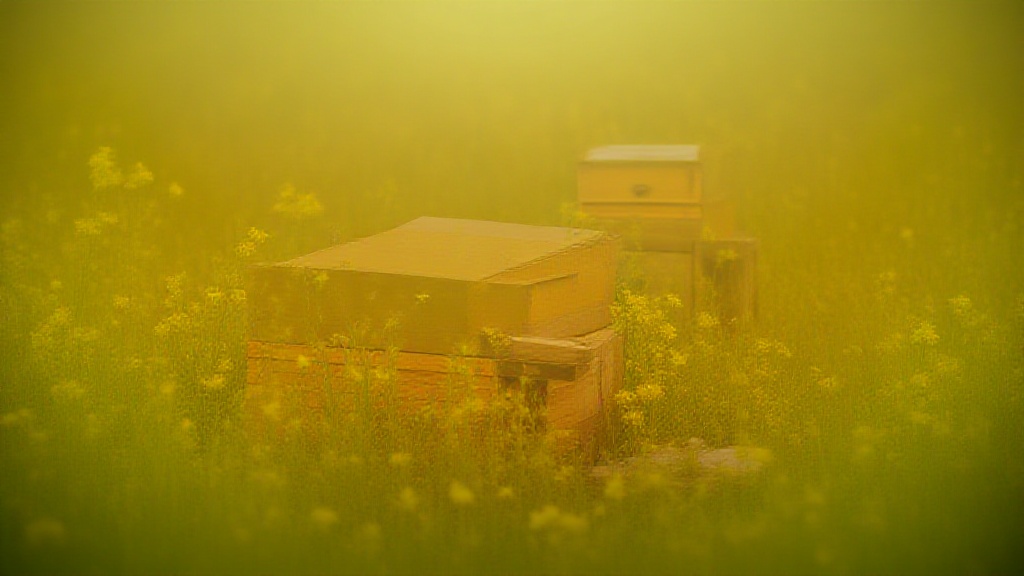
Beekeeping has taken off recently, and it’s not just about honey; it’s about helping the environment and learning something new. Picking the right tools and hive makes your adventure way smoother, so it’s worth a little research up front. Lately, more people are setting up backyard beehives, and the equipment market has absolutely grown to keep up. The cool part is that there’s gear out there made just for beginners.
Bees have been cared for by people for thousands of years, and while a lot has changed, the basics stay the same. You’ll need some must-have items before your first hive arrives:
- Bee suit and gloves: These protect you from stings and help you stay comfortable while working.
- Smoker: Puffing smoke calms the bees and makes inspections way less stressful for everyone.
- Hive tool: A small pry bar that’s useful for opening hives or scraping propolis.
- Bee brush: Gentle bristles help you move bees out of the way without hurting them.
- Hive boxes and frames: The boxes make up your hive, while frames are where the bees build honeycomb.
Most starter kits come with these basics, which helps keep things simple. If you’re stuck choosing between different hive types, I recommend the Langstroth hive because it’s popular in the US and easy to find replacement parts or advice for online.
Bee Basics: What’s Actually in a Hive?
A hive might look simple, but inside there’s serious teamwork happening. Knowing the main bee roles helps you keep your colony happy and healthy:
- Queen Bee: The hive’s main job is supporting her. She lays all the eggs and gives off pheromones to keep the colony organized.
- Worker Bees: These gals make up the majority and handle foraging, cleaning, guarding, and feeding the brood (baby bees).
- Drones: Male bees are only around during spring and summer, and their job is to mate with a queen from another hive.
Inside the hive, you’ll find brood frames where eggs and larvae develop, frames packed with honey, and frames full of pollen. When it’s time to harvest, you mostly take the extra honey, keeping enough behind so the bees stay well-fed through winter. If you take too much honey, you’ll need to feed your bees sugar syrup later, so always leave ample stores.
Getting Started as a New Beekeeper: Simple Steps
Starting out with beekeeping is more about building habits than mastering every little detail right away. Here’s a handy breakdown to make the start less overwhelming:
- Pick a BeeFriendly Spot: Choose a flat, sunny space away from busy walkways. The hive entrance should face east or southeast if you can manage it, since bees get active earlier with morning light.
- Order Bees: Most people start with either a package of bees, a nucleus colony (nuc), or by buying an established colony from a local beekeeper. Packages generally ship in the spring.
- Set Up Your Equipment: Put your hive stand in place, and assemble the hive with frames before your bees arrive. Keeping spare parts and tools handy is always a good idea.
- Install Your Bees: Packages are shaken right into the hive, while a nuc already has frames of bees you just add to your box. This part feels a little nervewracking the first time but goes faster than you’d think.
- Check Regularly: Inspections help you catch problems early—look for eggs, larvae, a healthy queen, and steady honey stores. If you notice there’s no queen or very little brood, react quickly by seeking advice from your local club or forum.
Following these steps builds confidence. After a few weeks, you’ll notice the bees’ rhythm and start feeling like a pro. If you keep a log of your activities and observations, you’ll see just how much you’ve learned in each season.
Things to Watch Out For Before Buying Bees
Beekeeping comes with some challenges, but knowing about them up front helps you prep and deal with issues as they come up. A few things I wish I’d known right away:
- Hive Location: Placing hives too close together, in constant shade, or somewhere with poor drainage can cause problems later.
- Local Laws: Many cities have rules about hive numbers or placement. Check local ordinances before ordering bees.
- Startup Costs: Buying gear, bees, and supplies can add up. Joining a club or co-op is a good way to save or borrow what you need.
- Varroa Mites and Pests: These tiny pests are tough on bees, so a basic plan for regular checks and treatments is really important.
- Time Commitment: Hives need regular checks, especially in spring and early summer. It’s not overwhelming but does take planning. Weather can throw curveballs, so flexibility is helpful.
Picking the Right Hive Location
I’ve found that bees do best with at least a few feet of open space in front of their entrance, and more if you live somewhere busy. Pay attention to neighbors and fences, aiming to keep activity lowkey but visible enough that you can check the hive easily. If you can, use shrubs or a lightweight fence to guide bees’ flight paths up and away from foot traffic or curious pets.
Knowing About Common Hive Problems
Varroa mites are probably the most wellknown challenge. Even firsttimers can spot signs with a quick check under the lid. Early intervention can help save your bees a lot of trouble down the road, so a regular schedule helps a lot. The same goes for other pests, weather, or queen troubles. Odd smells, unusual noise, or sudden drops in bee numbers are signals to give the hive a onceover.
Managing Your Bees’ Food
New hives may need sugar water or pollen patties until flowers bloom. If it’s been a tough spring or fall, you’ll want to be extra watchful since that’s when colonies can run low on stores fast. Always check the weight of your hive by gently lifting it from the back—a light hive often means it’s time to add food supplements.
Tackling these potential hurdles with a solid plan makes things less stressful and keeps your bees on track for a good first season.
Refining Your Skills: Helpful Tips and Tricks
Getting more comfortable with bees opens up opportunities to grow your hive, and your honey stash! Here are a few handy tips to take things up a notch:
Stay Calm Around the Hive: Bees take their cues from you. Smooth, slow motions help keep the colony relaxed and make inspections easier. Quick or jerky movements can rile them up, so patience pays off.
Take Notes: After each inspection, I jot down what I saw (queen sighting, number of frames with brood, how much honey is stored). This really helps spot any changes over time. If you use a simple notebook or an app, tracking this can help you predict upcoming hive needs.
Join a Local Club: Beekeepers are usually eager to help out, share tips, and sometimes even swap equipment or bees. It’s a great way to get advice and troubleshoot weird issues that pop up. You may even find a mentor or get invited to help with others’ hives before starting your own.
Harvest Gently: Use a bee escape, brush, or even a simple leaf blower to clear bees off full honey frames, avoiding unnecessary stress. Take only surplus honey at first, and leave enough for your bees—especially if you live in colder climates.
Staying open to learning and connecting with others can really boost your confidence and knowledge. Working with a buddy means you can help each other during tricky inspections or heavy honey harvests too.
The Basics: Equipment for Daily and Seasonal Beekeeping
Having the right setup helps you keep things organized right from the start. A solid beesuit adds plenty of confidence, while a reliable smoker and hive tool make inspections much less hassle. Here are some day to day tools I use year round:
- Protective clothing: Mesh veils and gloves for hot days, or a full suit when you’re just starting. If you’re working with kids or friends, having spare protection is a plus.
- Smoker fuel: You can use pine needles, burlap, or untreated wood chips; something that doesn’t produce harsh smoke works best.
- Bee feeder: Super useful in early spring or if you need to supplement the bees’ diet, especially for small colonies.
- Frame grip or lifter: Lifting frames with one hand while inspecting is easier with this gadget, and it keeps things neat.
If you ever want to branch out, extras like a queen marking pen, a reusable escape board, or even a small wheelbarrow for honey harvesting make everything smoother, especially when your colony really takes off. As your apiary grows, upgrading to larger extractors or trying out new equipment makes the experience even more rewarding.
- Pollination: Your bees will help your garden and neighborhood bloom, which is a winwin for everyone, from flowers to fruit trees.
- Learning new things: No season is ever exactly the same, so there’s always a fresh challenge, and you’ll stay curious year to year.
- Local honey production: Raw honey has its own unique taste and is always popular with friends and family.
Frequently Asked Questions
New beekeepers usually have a lot of questions, so here are a few that come up a lot:
Question: How much space do I need to start beekeeping?
Answer: Even a small backyard can work. Just make sure there’s space for the hive entrance to be clear, and give yourself room to walk around the hive safely. Having at least three to five feet in front of the entrance makes hive checks much easier.
Question: Do I need to check on my bees every day?
Answer: Weekly or biweekly checks are usually plenty for beginners, unless you spot signs of problems like swarming or pests. Keeping a basic schedule and watching the weather prevents surprises.
Question: Do bees bother neighbors or pets?
Answer: Most of the time, honey bees focus on foraging and ignore people or animals. Spotting the hive away from play areas, using a water source nearby, and planting flowers can keep everyone happy and safe.
Starting Your Beekeeping Adventure
Getting into beekeeping is about building skills, learning from the bees, and enjoying a sweet reward come harvest time. The right gear, some good habits, and a little community support make all the difference. Watching a thriving colony grow throughout the season never really gets old, and you’ll likely end up with more honey (and stories) than you expected. Starting small and asking questions is the best way to grow your confidence and keep your bees thriving, year after year.
This is such a thoughtful and approachable guide for anyone curious about starting beekeeping! I really appreciate how you’ve broken everything down step by step, from essential equipment to hive setup and even common challenges like varroa mites. It makes the whole process feel a lot less intimidating for beginners. I especially like your emphasis on observing and building habits over time rather than trying to master everything right away—it’s encouraging and realistic. The section on bee roles inside the hive is fascinating too, since understanding their teamwork really helps put the whole practice into perspective. I also think your tips about hive placement and respecting neighbors are super practical, since those are easy things for new beekeepers to overlook. Overall, this guide blends practical advice with enthusiasm in a way that’s inspiring—I can see it motivating a lot of people to give beekeeping a try!
Hi Andrejs!
Thank you for your kind words! I’m so glad the guide came across as approachable—beekeeping really is a journey best taken step by step. Observation and patience go a long way, and understanding the bees’ teamwork makes the process even more rewarding. You’re absolutely right about hive placement and neighbor awareness; those small details can make a huge difference for beginners. If you ever decide to give beekeeping a try, starting with a mentor or local club can make learning smoother and even more enjoyable!
/Mats